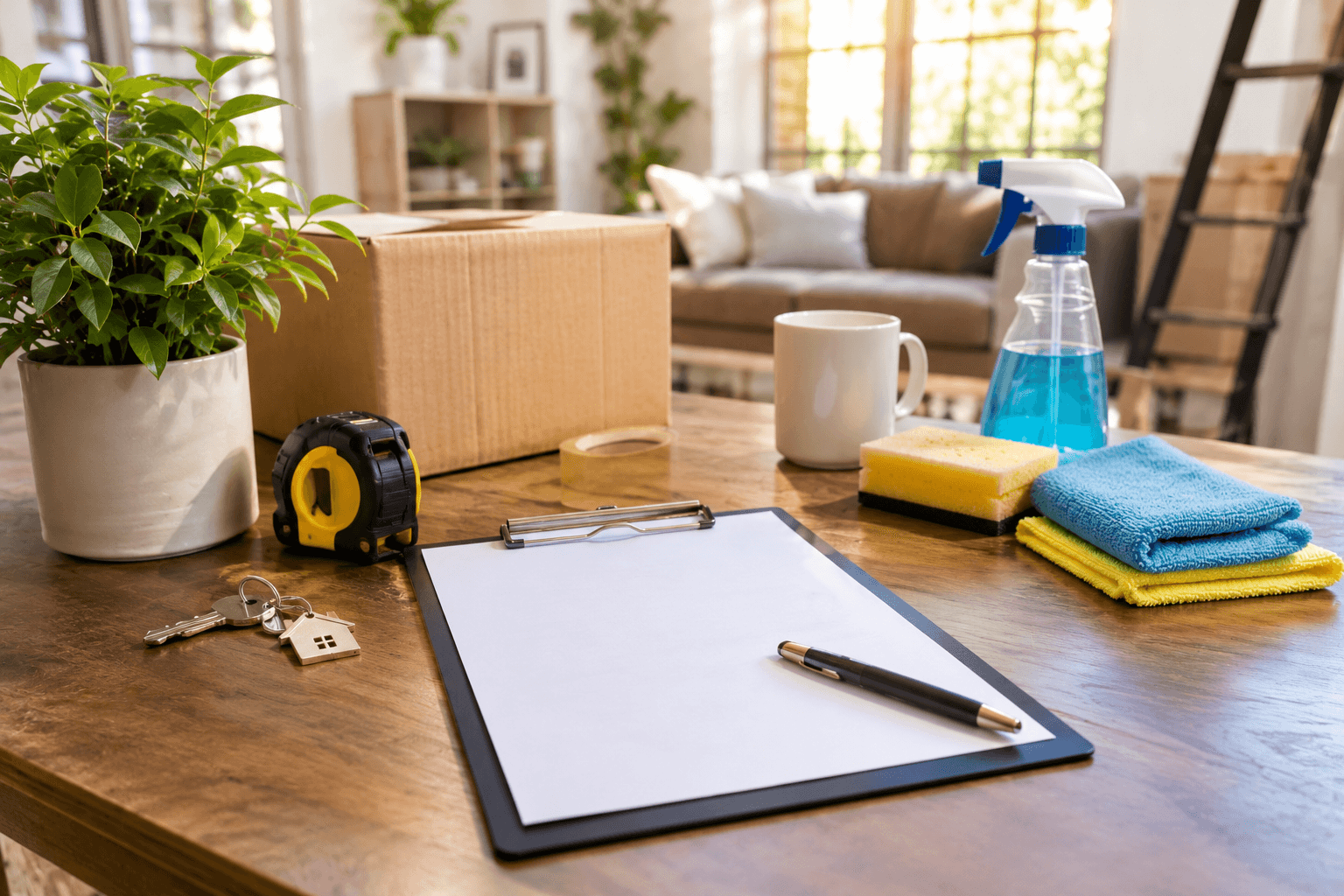
Nobody warns you about the second night. The first night is pizza on the floor and a mattress somewhere. The second night is when you notice the hallway light flickers, nobody knows where the water shuts off, and the smoke alarm chirps at 3 a.m. because its battery has been dying since the previous owners moved out.
This guide is built around that moment. Most lists are shopping lists: plates, towels, a plunger. This essentials for a new home checklist starts with the things that keep the house safe, working, and affordable, then moves on to the stuff you actually need to buy.

The Essentials for a New Home Checklist, in Three Piles
Sorting everything into three piles stops you from buying throw pillows while the water heater is leaking.
Pile one: safety. Things that protect people. Do these before the first night, or at least the first weekend.
Pile two: systems. The parts of the house you can't see until they fail: plumbing, heating, electrical and drainage. Learn them in the first week.
Pile three: stuff. Furniture, kitchen gear, decor and tools. This pile can grow slowly over months, which is also kinder to your bank account.
Everything below fits into one of these piles.
The First-Night Box
The first-night box is the smallest page of any essentials for a new home checklist, and the most used. Pack one clear box or bag that rides with you, not on the truck. Fill it with what you'll want within hours of arriving:
Phone chargers, medications and a few days of clothes
Toilet paper, soap, towels and toiletries
Sheets, a pillow and a blanket for each person
A flashlight, a few batteries and a basic first aid kit
Paper plates, cutlery, a kettle or coffee maker, snacks and water
A small toolkit with a screwdriver, a utility knife and tape
If you want a room-by-room version of the buying side, moving companies publish detailed ones. This guide spends its words on the things those lists skip.
Pile One: Safety Before You Unpack
Change or rekey the locks. You don't know who has copies of the keys. Rekeying is often cheaper than replacing hardware, and a locksmith can usually do it in a single visit.
Check every smoke and carbon monoxide alarm. Fire safety groups recommend alarms inside every bedroom, outside each sleeping area and on every level. Press the test button on each one, and look for the manufacture date. The Red Cross, citing the National Fire Protection Association and the Consumer Product Safety Commission, says to replace smoke alarms every 10 years. Carbon monoxide alarms follow the manufacturer's replacement date. If you can't find a date, replace the alarm. Our guide on what smoke alarm manuals say covers the details people get wrong.
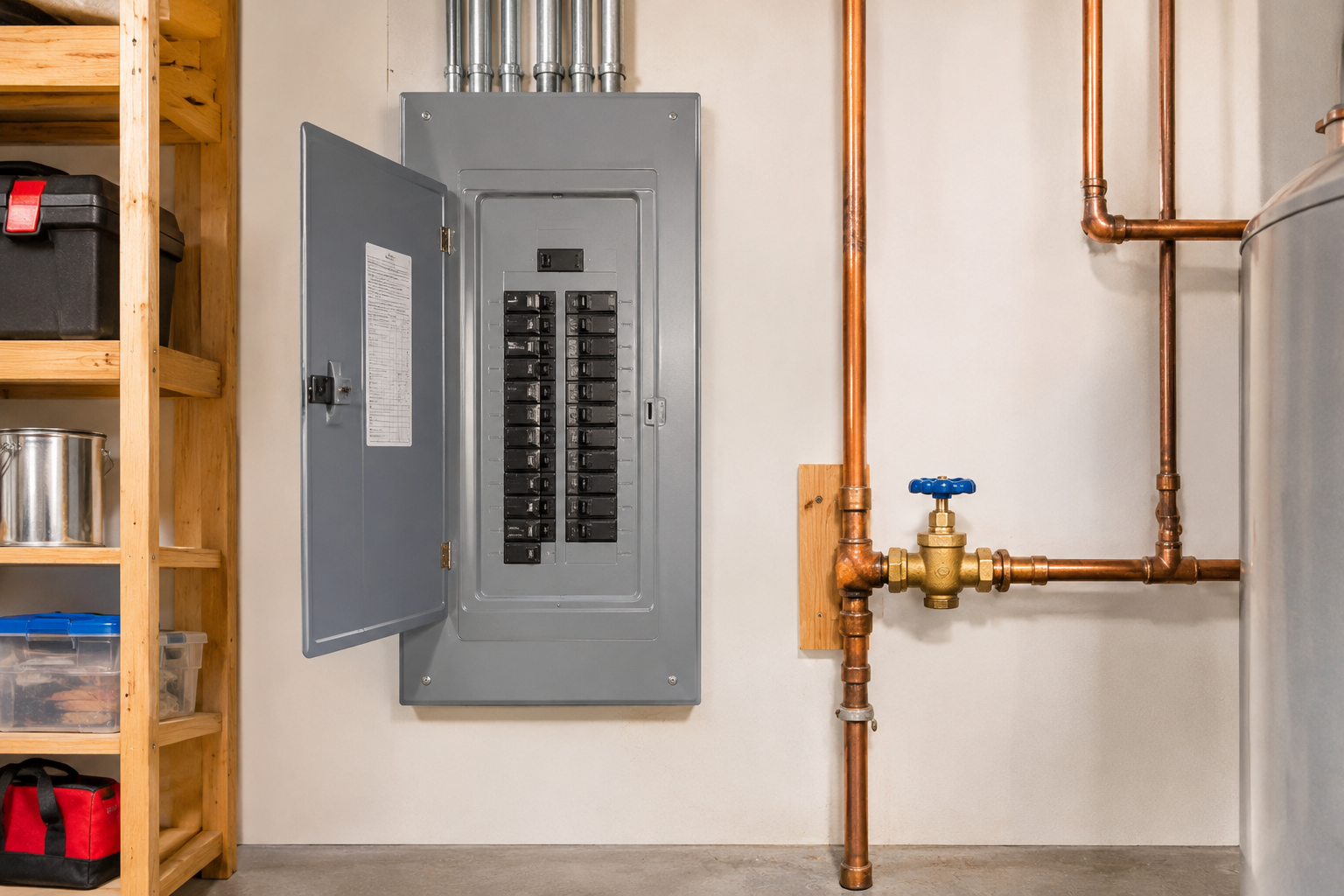
Find the three shutoffs. Walk through and locate the main water valve, the electrical panel and the gas shutoff, if you have gas. Label them with tape. When a pipe bursts, nobody wants to search for the valve in the dark. Our guide to the signs of a burst pipe under the house shows what the symptoms look like.
Put an extinguisher in the kitchen, and keep a flashlight near the bed. Part of any essentials for a new home checklist is a fire escape plan: two ways out of every bedroom and one meeting spot outside, rehearsed once with everyone who lives there.
Pile Two: Learn the Systems in Week One
You don't need to fix anything yet. You need to know what you've inherited.
Water heater: read the label to find its age. Tank heaters often need replacing after roughly 8 to 12 years, so a decade-old unit deserves a budget line.
Furnace and air conditioner: replace the filter, note the model numbers and find the service records if the sellers left any.
Outlets: press the test button on every GFCI outlet in kitchens, bathrooms and the garage. If one won't trip, have it checked.
Panel: label every breaker as you flip it, which turns a mystery into a map.
Drains and gutters: run every faucet, flush every toilet and look for slow drains or damp cabinets. Look at the gutters and downspouts as well.
Attic, basement and crawlspace: look for stains, musty smells and signs of pests.
Keep a cheat sheet of anything strange. Our general plumbing maintenance guide shows what smart owners check before problems begin.
Ten-Minute Spot Checks, Room by Room
Walk the house with a flashlight and a notepad, and spend ten minutes per area. In the kitchen, run the dishwasher, check under the sink for dampness or stains, and listen to the refrigerator for odd noises. In bathrooms, flush each toilet, press on it to see whether it rocks, and run the exhaust fan. In bedrooms and living areas, open and lock every window and test a few outlets with a phone charger. In the basement or garage, look at the sump pump if there is one, the water heater base and the garage door's safety reverse. Outside, check that the ground slopes away from the foundation, that the dryer vent is clear and that the hose bibs aren't dripping. A good essentials for a new home checklist turns each of these into a note you can act on later.
Make a House Info Card
Write this on one page and tape it inside a kitchen cabinet:
Water, gas and electric shutoff locations
Water heater age and furnace filter size
Breaker panel map
Paint colors and sheens for every room
Appliance models and warranty dates
Phone numbers for a plumber, an electrician and the utilities
This is the single most useful page in a new home, and no checklist builds it for you. Have a plumber's number before you need one, and read our guide on how to hire a plumber so you know what to check.
Pile Three: The Stuff You Actually Need
A sensible essentials for a new home checklist keeps first-month spending to what you'll use this week. Buy in this order: sleep, wash, eat, then everything else.
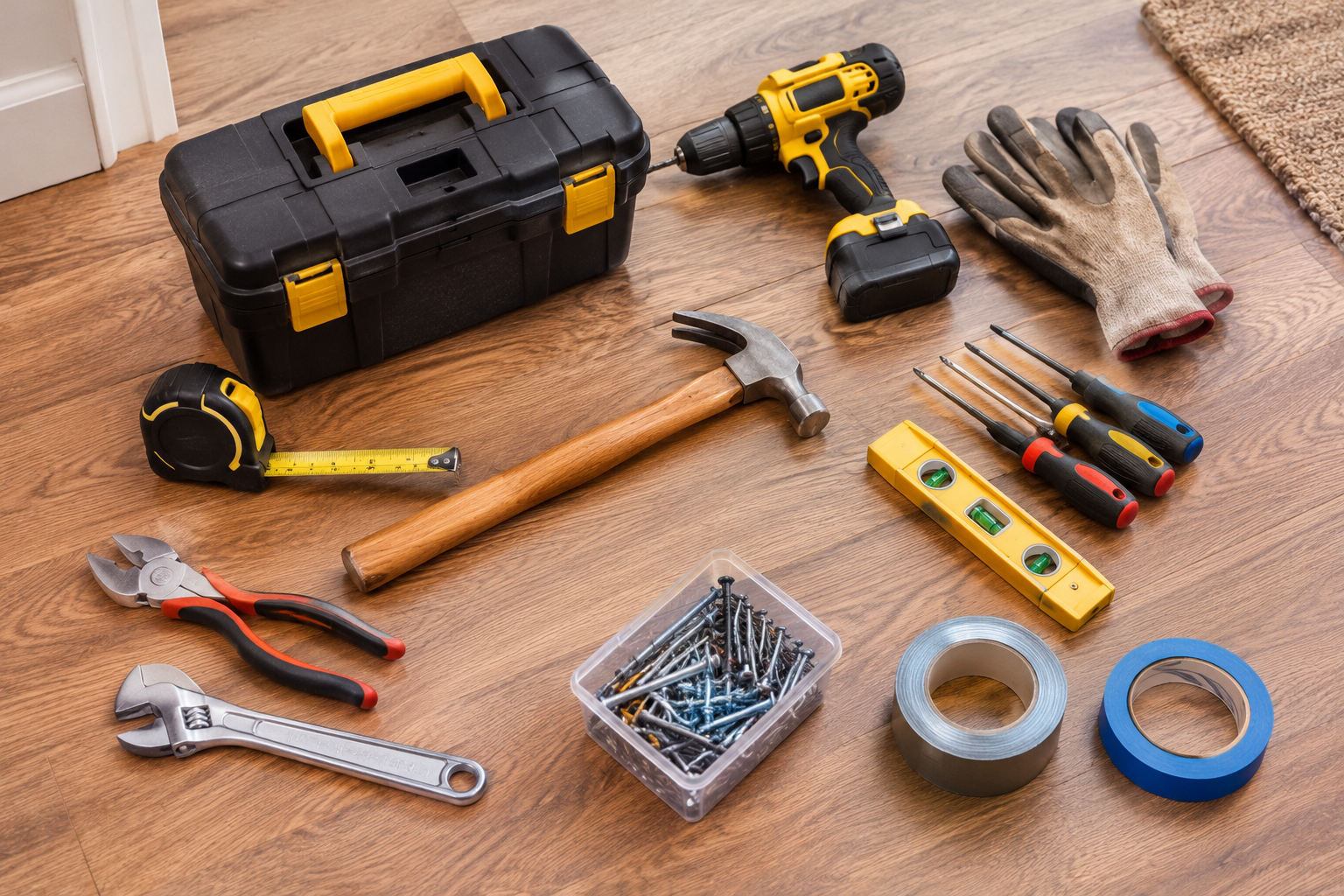
A starter toolkit: a hammer, a tape measure, screwdrivers, pliers, an adjustable wrench, a stud finder, a level, a flashlight and a plunger.
Cleaning basics: a vacuum, a mop, a bucket, sponges, trash bags and a toilet brush.
Kitchen basics: one pot, one pan, a knife, a cutting board, plates, mugs and utensils.
Home care supplies: spare light bulbs, furnace filters, caulk and a few batteries.
Resist buying everything at once. Live in the space for a month before you commit to furniture and decor, because you'll learn where the light falls and where traffic flows.
Paperwork and Accounts Worth Doing Early
The boring admin protects you as much as the smoke alarms do. Transfer or open electricity, gas, water, trash and internet service before you arrive. File a change of address, and update your driver's license, banks and insurers. Confirm that your homeowner's insurance is active and ask what it excludes, such as flood or sewer backup. Keep the inspection report, closing documents, appliance manuals and warranty cards in one folder, paper or digital, because you'll need them at the worst possible time.
A First-Year Budget Reality Check
Moving costs money in quiet ways. Utilities, locks, filters, cleaning, minor repairs and a few forgotten appliances all arrive in the first weeks. Common rules of thumb set aside roughly 1 percent of a home's value per year for maintenance, though older houses can run higher. Treat that as a starting point and adjust once you know the age of the roof and systems.
Your First 90 Days: An Essentials for a New Home Checklist You Can Print
When | Do this |
First night | Pack the first-night box, test alarms, find the main water shutoff |
First weekend | Change locks, label the panel, locate gas and electric shutoffs |
First week | Change filters, test GFCIs, check the water heater, walk the attic and basement |
First month | Update your address, set up utilities, build the house info card, start a maintenance calendar |
First 90 days | Fix small leaks and drips, clear gutters, schedule HVAC service, plan bigger repairs |
For a recurring routine, add the key checks to your DIY home inspection checklist so they happen every year.
Quick Answers
Do I need a home inspection before I move in? If you haven't had one, schedule it, and keep the report. It's a repair roadmap.
What should I fix first? Safety items, then anything that lets water in, then energy waste, then looks.
Should I buy a warranty? It depends on the age of the appliances and systems. Read exclusions carefully before you pay.
How long until the house feels settled? Most people feel it after a few weeks, and the routine takes about a season.
What changes for an older house? Any essentials for a new home checklist should add a few extra checks for older homes: the type of electrical panel and wiring, whether outlets are grounded, lead paint in homes built before 1978, and the material of the water pipes. Ask your inspector about each.
Is a first-aid kit necessary? Yes. Keep it with the flashlight in the first-night box and move it to a permanent spot later.
Your First Saturday
If you only have a few hours this weekend, do three things: test every alarm, find and label the shutoffs, and write the house info card. Everything else in this essentials for a new home checklist can wait for next week.
About Mubashir Yaqoob
Mubashir Yaqoob researches and writes practical home repair guides for Home Repair Manual, focused on translating technical roofing, plumbing, and maintenance information into clear advice for homeowners.
View all posts by Mubashir Yaqoob