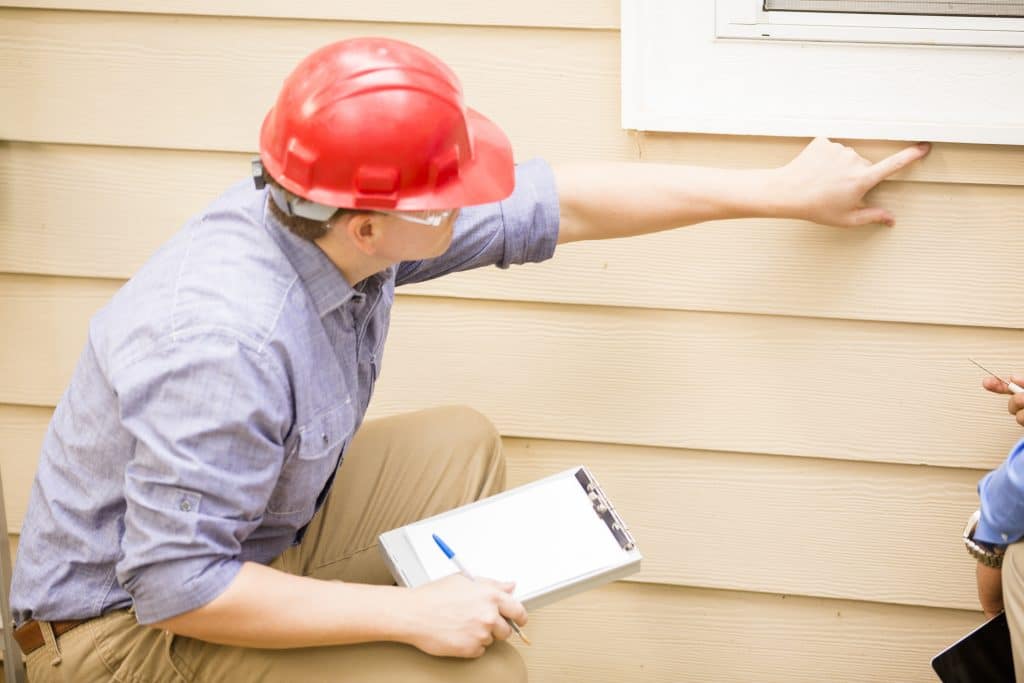
Most homes look fine at a glance. That’s the problem.
You walk through, everything feels solid, nothing stands out. And because nothing is obvious, nothing gets checked. Not properly, anyway.
That’s where a DIY home inspection checklist comes in.
Honestly, it’s less about finding disaster and more about noticing the quiet things. The ones that don’t scream for attention but slowly build into something bigger.
And if you think about it, homes don’t fail suddenly. They hint. They nudge. They show small signs.
You just have to look.
Why House Safety Inspection Matters
Let’s keep this simple. Inspection is not about fear. It’s about awareness. A proper home inspection list helps you understand what’s happening beneath the surface. Not everything, of course. But enough to stay ahead.
The Cost Factor
Small issues are cheap. Large ones are not.
A loose pipe today might be a leak next month. A minor crack might become structural over time. That’s why a home maintenance checklist matters more than people realize.
The Safety Angle
Some problems are not just expensive. They’re risky.
Electrical faults, gas leaks, structural weaknesses. These fall under house safety inspection concerns. Those are the ones you don’t want to miss.
The Peace of Mind
This one is less technical. But important. Knowing your home is in good condition changes how you feel in it. It removes that background uncertainty. And that matters.
Full DIY Home Inspection Checklist
This is the core. Not perfect. Not exhaustive. But practical. Think of it as your working house inspection checklist.
Exterior Inspection
Start outside because that’s where most damage begins.
Walls and Structure
Look for cracks
Check for uneven surfaces
Inspect paint condition
These are early signs of structural issues. Part of a basic property inspection guide.
Roof
Missing or damaged shingles
Sagging areas
Signs of water pooling
Roof issues often stay hidden until they’re not.
If you discover water stains, damp attic areas, or signs of an active leak during your inspection, knowing how to fix a leaking roof from the inside can help limit damage until permanent repairs are completed.
Windows and Doors
Check seals
Look for gaps
Test opening and closing
A simple DIY home check can reveal a lot here.
Interior Inspection
Now move inside. Slowly. Room by room.
Walls and Ceilings
Look for stains
Check for cracks
Feel for damp areas
These indicate leaks or structural shifts.
Water stains are not always caused by roof leaks. In some cases, hidden plumbing problems or a water heater leaking from the bottom can allow moisture to spread through walls, ceilings, and nearby utility areas before the source becomes obvious.
Floors
Uneven sections
Soft spots
Noise when walking
These are subtle but important.
Doors and Windows
Alignment issues
Difficulty closing
Drafts
These relate to insulation and structure.
Plumbing
This is where many issues hide.
Pipes and Fixtures
Check for leaks
Look for corrosion
Test water pressure
These steps fall under the property inspection steps.
Routine inspections work best when combined with regular plumbing care. Following a general plumbing maintenance checklist can help prevent many common leaks, pressure problems, and fixture failures before they start.
Drains
Slow drainage
Unusual sounds
Odors
These indicate buildup or blockage.
Electrical System
Careful here.
Outlets and Switches
Test functionality
Look for discoloration
Check for loose fittings
These are part of any inspection checklist home.
Lighting
Flickering lights
Delayed response
Burnt-out fixtures
Small signs. Big implications.
HVAC System
Heating and cooling matter.
Airflow
Weak airflow
Uneven temperature
Noise
These indicate system inefficiency.
Filters
Dirty filters
Restricted airflow
Simple fix. Often ignored.
Safety Systems
This is critical.
Smoke Detectors
Test regularly
Replace batteries
Carbon Monoxide Detectors
Ensure functionality
Place in key areas
These are essential for house safety inspection.
Area | Key Check | Risk Level |
Roof | Damage, leaks | High |
Plumbing | Leaks, pressure | Medium |
Electrical | Faults, wear | High |
Interior | Cracks, dampness | Medium |
Safety systems | Functionality | High |
Tips for Property Inspection Steps
Inspection is not just about checking. It’s about how you check.
Take Your Time
Rushing misses details. Slow down. Look closely.
Use Natural Light
Lighting affects visibility.
Inspect during daylight when possible.
Keep Notes
Write things down.
Even small observations.
They add up.
Follow a Pattern
Move systematically.
Room by room.
This improves consistency.
Repeat Regularly
Inspection is not one-time.
It’s ongoing.
Part of a home inspection tips routine.
Actually, not everything needs to be checked at once. Breaking it into sections works better. Less overwhelming. More effective.
Most people think inspections are for buying or selling, but that’s limiting.
A home changes over time. And if you’re not checking it, you’re reacting instead of preventing.
I’ve seen small issues ignored for months simply because they didn’t feel urgent.
Then they became urgent and expensive.
Common Mistakes
Skipping areas that seem fine
Ignoring small signs
Not documenting findings
Delaying follow-up
These mistakes reduce the effectiveness of any house inspection guide.
A checklist is not just a list.
It’s a habit.
A way of paying attention.
And honestly, that’s what makes the difference.
Not the checklist itself. But how you use it.
FAQs
1. What is a DIY home inspection checklist?
A DIY home inspection checklist is a structured list used to evaluate different areas of a home for potential issues.
2. How often should I use a home inspection list?
A home inspection list should be used every few months to catch problems early.
3. Can I perform a full house inspection checklist myself?
Yes. A house inspection checklist allows homeowners to identify many common issues without professional help.
4. What is included in a property inspection guide?
A property inspection guide covers exterior, interior, plumbing, electrical, and safety systems.
5. Why is a home maintenance checklist important?
A home maintenance checklist helps prevent costly repairs by identifying issues early.
Final Words
A home doesn’t break overnight. It changes quietly. A loose screw. A small crack. A faint stain. Those small things are the story.
Catch them early, and everything stays manageable. Miss them, and the story changes. Not dramatically at first. But enough.
About Mubashir Yaqoob
Mubashir Yaqoob researches and writes practical home repair guides for Home Repair Manual, focused on translating technical roofing, plumbing, and maintenance information into clear advice for homeowners.
View all posts by Mubashir Yaqoob