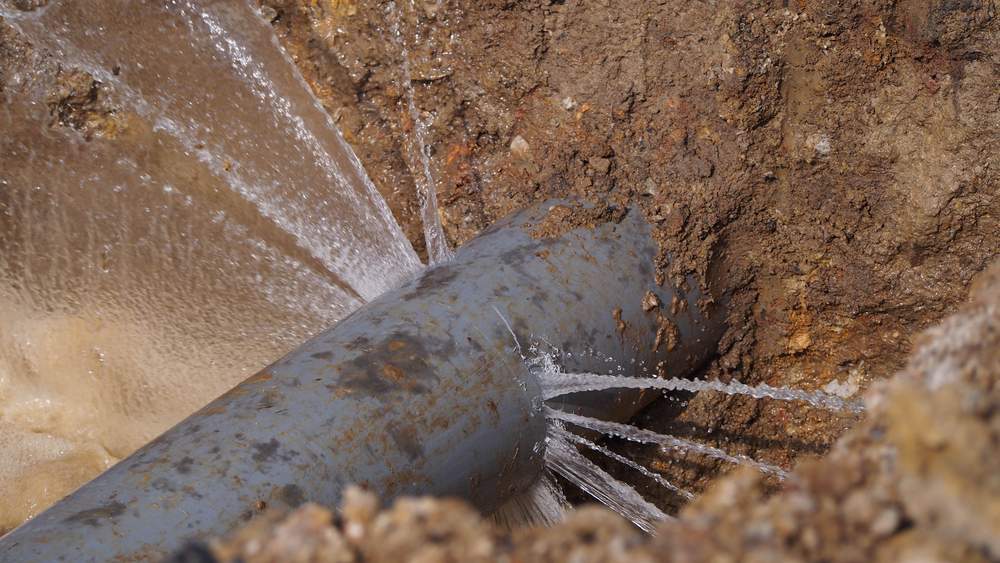
Most burst pipes under a house never show a single drop of visible water — the concrete slab or soil absorbs it long before it reaches the surface. That's exactly why the real signs of a burst pipe under house situations are almost never what people expect: not a puddle, but a sound, a smell, or a number on a utility bill that doesn't add up. These burst pipe symptoms and water damage signs tend to hide in plain sight until someone knows what to actually look for.
Signs of a Burst Pipe Under House: The Clues to Watch For
A burst pipe under a house rarely announces itself all at once. It builds gradually, through a handful of small, easy-to-dismiss clues that only make sense once you know to connect them.
1. Hissing or Rushing Sounds
A faint hissing sound inside walls or beneath floors, especially noticeable in a quiet house at night, is water escaping under pressure through a crack or break.
2. Gurgling Drains With No Obvious Cause
Gurgling from a sink, tub, or toilet when nothing's being used often means a break is letting air into the system — related to, but distinct from, the kind of drain gurgling caused by a vent problem rather than a burst pipe.
3. Banging or Hammering Sounds
Sudden pressure changes from a break can cause pipes to bang or "water hammer" against framing more than usual — while occasional hammering happens in healthy plumbing too, a real increase in frequency is worth paying attention to alongside the other signs here.
4. A Sudden, Unexplained Pressure Drop
Water pressure drop issues are common with a break, since escaping water at the leak means less makes it to your fixtures — worth ruling out with a quick pressure test before assuming it's a burst pipe specifically, since several other causes produce the same symptom.
5. Water Bill Spikes of 20% or More
A jump of 20-30% or higher with no change in household water use is one of the most reliable financial tells, since a burst pipe runs continuously, like a hose left on around the clock.
6. Warm or Damp Spots on the Floor
A section of flooring that's inexplicably warm (from a broken hot water line) or consistently damp, with no other explanation, often sits directly above the break.
7. Cracks in the Foundation or Walkway
Water escaping underground erodes and destabilizes soil over time; new or widening cracks in a slab, walkway, or exterior wall can be a delayed sign of a leak that's been running for a while.
8. Unusually Lush or Soggy Patches of Lawn
A patch of grass that's suddenly greener than the rest of the yard, or ground that stays soggy without rain, often means an underground pipe is feeding it extra water.
What's Actually Causing an Underground Pipe Leak
Age and corrosion are the most common root cause, especially in homes with older galvanized or cast iron lines, similar to the aging-pipe issues covered in older home plumbing systems generally. Shifting soil, tree root pressure, and freeze-related bursts (particularly for pipes not buried below the frost line) round out the rest — the same freezing mechanism behind the broader chain of damage frozen pipes cause above ground, just happening out of sight underground instead. These plumbing repair signs and pipe inspection tips apply whether the hidden pipe leak sits under a slab or beneath open yard soil.
The DIY Test That Actually Confirms It
Turn off every water-using fixture and appliance in the house completely, then check your water meter. If the small dial or leak indicator is still moving, water is flowing somewhere on your property.
One refinement most guides skip: testing at your main shutoff valve tells you where. Shut off the valve where the line enters the house, then check the meter again. If it's still moving with the house's internal valve closed, the leak is between the meter and the house — likely the underground service line itself. If it stops, the leak is somewhere inside the house's own plumbing instead. That distinction alone can save a plumber real diagnostic time, and save you the cost of it.
How Professionals Actually Handle Pipe Leak Detection
Once you've confirmed a leak but can't see it, professionals use tools most homeowners have never heard of: acoustic listening devices sensitive enough to pick up the faint hiss of even a pinhole leak through soil or concrete, and thermal imaging cameras that spot the cooler, water-saturated areas behind walls or under floors. Neither requires tearing into your property just to find the source — the destructive part only starts once the exact location is confirmed.
The Risk Most Homeowners Don't Expect
Beyond structural damage, sustained moisture under a house creates ideal conditions for pests — termites, cockroaches, and rodents are all drawn to the consistent dampness a hidden leak provides, adding a second, less obvious repair bill on top of the plumbing fix itself if the leak runs long enough undetected.
Your First Move If You Suspect a Leak
Shut off your home's main water supply immediately — this stops the damage from getting worse while everything else gets sorted out. If water has reached any electrical outlets or panels, do not touch them; shut off power at the breaker if it's safe to reach, and call an electrician or utility company if standing water is anywhere near the panel itself. Once the immediate risk is handled, photograph the visible foundation water damage and any other affected areas for insurance purposes before cleanup begins, since that documentation matters more than people expect once a claim is underway.
When It's Truly a Plumbing Emergency
Significant yard puddles, new foundation cracks, or a complete loss of water pressure throughout the house are all plumbing emergency signs that warrant calling a professional immediately rather than waiting to see if it resolves on its own. A hidden leak under a house isn't a reasonable DIY repair even for a confident homeowner — the location alone requires specialized detection equipment, and getting it wrong means digging in the wrong place entirely.
FAQ
How do I know if I have a burst pipe under my house?
The clearest confirmation is the water meter test: turn off all water use, then check whether the meter's leak indicator is still moving.
Can a burst pipe under a house cause foundation damage?
Yes — sustained water saturation erodes the soil supporting a foundation, which can eventually cause visible cracking in the slab or exterior walls.
Is a burst pipe under the house always caused by freezing?
No — corrosion, aging pipes, shifting soil, and tree root intrusion are all common causes independent of weather.
Why does my water bill keep going up with no change in usage?
A sustained increase of 20% or more without a lifestyle change is one of the strongest financial signs of a hidden leak, including one under the house.
Can I fix a burst pipe under my house myself?
Locating and repairing it isn't realistic DIY work — professionals use acoustic and thermal detection tools specifically because the leak's exact location usually isn't visible or guessable from the surface.
About Mubashir Yaqoob
Mubashir Yaqoob researches and writes practical home repair guides for Home Repair Manual, focused on translating technical roofing, plumbing, and maintenance information into clear advice for homeowners.
View all posts by Mubashir Yaqoob