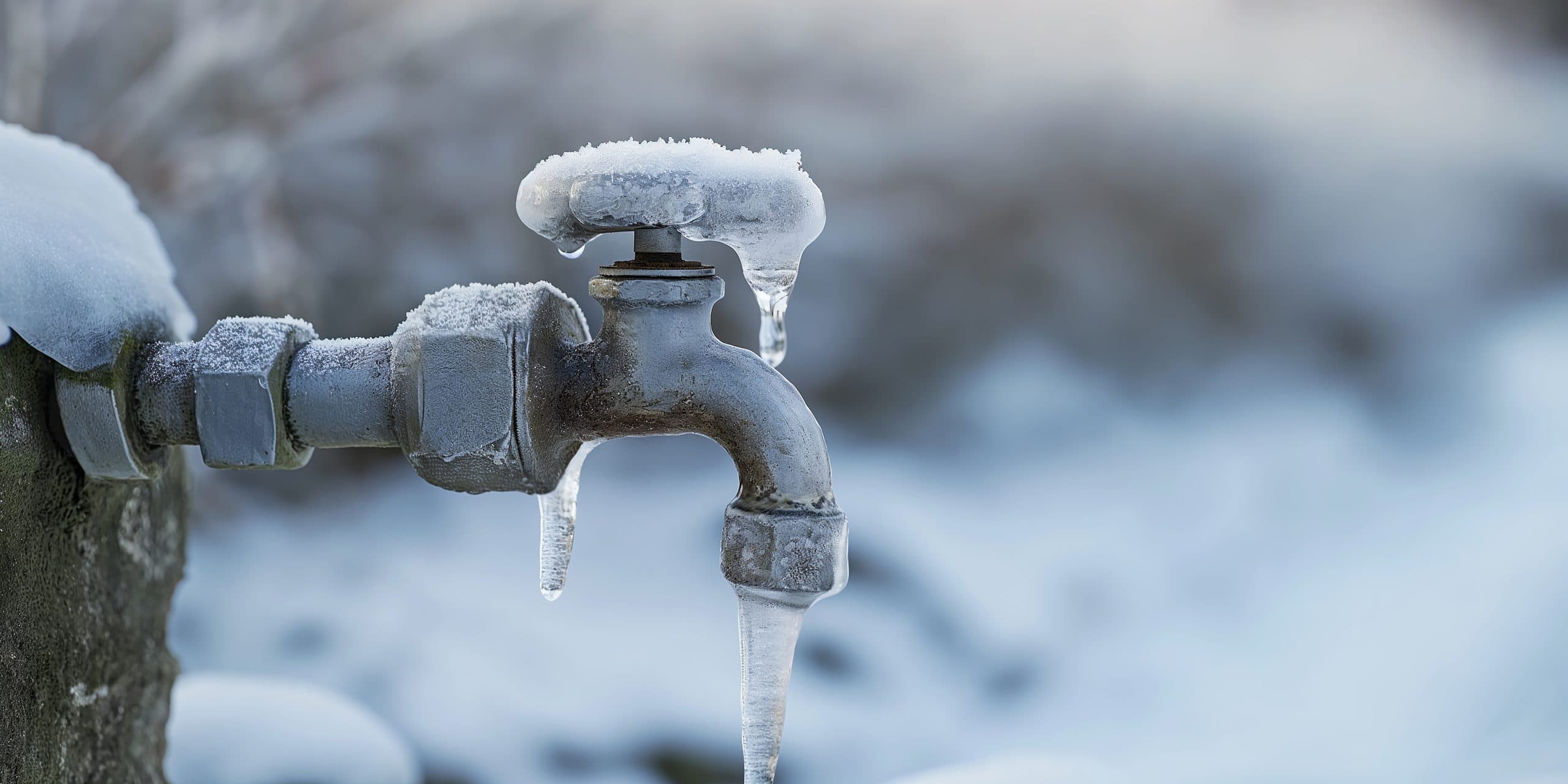
Cold has a way of sneaking in.
Not all at once. It builds. Overnight, slowly, quietly. And somewhere inside your walls or beneath your floors, something starts to change.
Water. Still at first. Then stiff. Then solid.
That’s when the question becomes real:
What Happens If Pipes Freeze?
It sounds simple. Water turns to ice. That’s it, right? Not really.
Because inside a pipe, that transformation is not gentle. It’s pressure. It’s force. It’s a silent buildup that doesn’t announce itself until it’s already too late.
Most people don’t notice it until the damage is done.
Let’s break this down without overcomplicating it.
Water expands when it freezes. That one fact drives everything.
The Expansion Effect
When water turns into ice, it expands by roughly nine percent. That might not sound like much, but inside a confined pipe, it’s significant. This expansion creates pressure. A lot of it.
That pressure pushes outward against the pipe walls. It’s not gradual in the sense that you can control. It builds quietly, almost like a slow breath held too long. This is the start of the water expansion pipes stress.
The Pressure Builds
Here’s where it gets interesting.
The ice doesn’t always form evenly. It can create blockages in certain sections, trapping liquid water between frozen points.
That trapped water has nowhere to go.
So pressure increases between those points. And this is where pipe freezing issues begin to escalate.
The Weak Point Fails
Pipes are not infinitely strong.
Every system has weak spots. Joints, bends, and older sections. When pressure exceeds what the pipe can handle, it gives way.
That’s where cracks form. Or worse. This is the beginning of frozen pipes damage.
Stage | What Happens | Result |
Freezing begins | Water turns to ice | Expansion starts |
Blockage forms | Flow stops | Pressure builds |
Pressure increases | Pipe walls strain | Weak points develop |
Failure occurs | Cracks or bursts | Water escapes |
Simple progression. Not simple consequences.
Risks and Damage of Pipe Freezing Issues
This is where things move from theory to reality, and this is the part most people underestimate.
1. Burst Pipes Risk
The biggest concern is obvious.
A burst pipes risk occurs when pressure exceeds the pipe’s capacity. The pipe splits.
Water rushes out.
Not always immediately noticeable, especially if it happens inside walls. But when it is noticed, the damage is already underway.
2. Structural Damage
Water does not stay contained. It spreads. Into walls, floors, ceilings.
This leads to winter pipe damage that affects more than just plumbing.
It affects the structure. And repairs become complicated.
3. Mold and Moisture Issues
Where water sits, mold follows. It’s not instant, but it’s fast enough.
This is one of the less visible frozen plumbing problems. And it lingers longer than the initial leak.
4. Pipe Crack Risk
Not all pipes burst completely. Some develop small cracks.
These cracks leak slowly. This creates a pipe crack risk that can go unnoticed for weeks. Quiet damage.
5. System Disruption
Frozen pipes stop water flow entirely. No water means no basic function.
That’s part of the pipe freezing effects that people don’t always consider until it happens.
Let’s step back for a moment.
Freezing pipes don’t always announce themselves loudly.
Sometimes, it’s silence. No water coming through. That’s the first clue, and silence can be more concerning than noise.
On the other hand, if your lines are making loud thumping or vibrating sounds when the water is running, read our analysis on are noisy water pipes dangerous to see if you are facing a severe water hammer issue.
How to Prevent
Prevention is where you win this battle. Because once pipes freeze, you are already reacting.
Keep Pipes Warm
Insulation helps.
Wrap exposed pipes in insulating material. Focus on areas that are more vulnerable, like basements and exterior walls.
This supports winter plumbing safety.
Maintain Indoor Temperature
Even when you are away, keep the heating on at a minimal level. Cold indoor air allows pipes to freeze faster.
Taking simple steps like this is a core part of protecting your property. For a complete checklist on how to secure your entire home year-round, review our foundational guide on general plumbing maintenance to catch structural weaknesses before winter weather strikes.
Let Faucets Drip
A slight drip keeps water moving. Moving water is less likely to freeze. This reduces frozen pipe dangers significantly. However, while an intentional drip protects your lines during a freeze, a broken, constant leak during normal weather ruins your fixtures. If your sink leaks on warm days, look over our troubleshooting guide on what causes a faucet to drip to pinpoint bad washers or worn-out O-rings.
Seal Gaps and Openings
Cold air enters through small gaps. Seal those gaps. It keeps warm air inside and cold air out.
Open Cabinet Doors
Allow warm air to circulate around pipes. Especially in kitchens and bathrooms.
This supports water expansion pipes prevention indirectly.
What to Do
Sometimes, prevention isn’t enough. Pipes freeze anyway. That’s when action matters.
Step 1: Turn Off Water Supply
If you suspect a frozen pipe, shut off the main water supply.
This reduces the impact if the pipe bursts.
Step 2: Locate the Frozen Section
Look for areas where pipes are exposed to cold.
Feel for cold spots.
Listen for reduced flow.
This helps identify pipe freezing issues.
If you are inspecting your walls and instead hear high-pitched air vibrations, check out our guide on why do pipes whistle to figure out if build-up or a faulty valve is restricting your flow.
Step 3: Apply Gentle Heat
Use warm air, heating pads, or towels soaked in warm water.
Do not use open flames.
Heat gradually.
This helps thaw the pipe safely.
Step 4: Check for Leaks
As the pipe thaws, inspect for cracks or leaks.
This is where frozen pipes damage becomes visible.
Step 5: Restore Water Slowly
Turn the water supply back on gradually.
Watch for pressure changes.
Observe carefully.
Practical Tips for Winter Plumbing Safety
You don’t need to do everything.
Just enough.
Insulate vulnerable pipes
Monitor temperatures during cold spells
Keep water moving occasionally
Check for early signs
These habits reduce winter plumbing safety risks.
Frozen pipes feel like a distant problem until they’re not. It’s one of those things you assume won’t happen to you. Then, a cold night proves otherwise.
I’ve seen how quickly it escalates. From nothing to a leak. From a leak to damage. And the frustrating part is, it often feels preventable in hindsight.
Freezing is not just a temperature change. It’s a process. A chain reaction. Water expands. Pressure builds. Weak points fail.
And once that process starts, it moves forward whether you notice it or not. But here’s the upside.
You can interrupt it. Early awareness, small actions, consistent habits. That’s the difference.
FAQs
1. What happens if pipes freeze?
What happens if pipes freeze is that water expands, pressure builds, and pipes may crack or burst, leading to damage.
2. Can frozen pipes always burst?
Not always. But the burst pipes risk increases as pressure builds inside the pipe.
3. How do I prevent frozen plumbing problems?
Insulation, maintaining temperature, and keeping water moving help reduce frozen plumbing problems.
4. Are frozen pipe dangers immediate?
Frozen pipe dangers can develop quickly, especially if pressure builds rapidly.
5. What should I do if I suspect pipe freezing issues?
Turn off the water supply, apply gentle heat, and inspect for leaks to manage pipe freezing issues.
About Mubashir Yaqoob
Mubashir Yaqoob researches and writes practical home repair guides for Home Repair Manual, focused on translating technical roofing, plumbing, and maintenance information into clear advice for homeowners.
View all posts by Mubashir Yaqoob