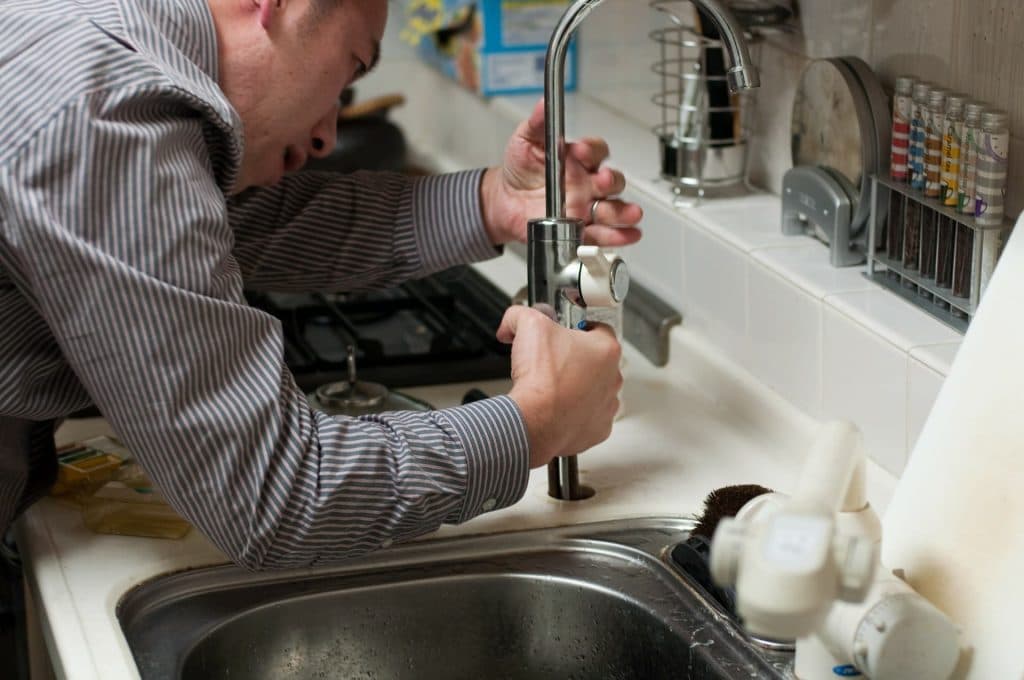
Why is my kitchen sink gurgling? It's a common question, and the short answer is that your plumbing is telling you something about air, not just water. That bubbling sound usually means air is getting trapped or pulled somewhere it shouldn't be — and while it's often harmless, it's worth figuring out why before it turns into a slow drain or a backup.
Why Is My Kitchen Sink Gurgling?
Your plumbing relies on a balance between water and air. Every drain connects to a vent system, letting air in as water flows out; disrupt that airflow and water pulls air back through the trap instead — the gurgle you're hearing. The three usual causes: a partial clog, a blocked or faulty vent, or a shared drain line reacting to another fixture.
Is It One Sink or the Whole House? A Quick Test
Before fixing anything, narrow down where the problem is:
Run water in the kitchen sink alone — gurgling on its own means the issue is local to that drain line.
Run the dishwasher and listen at the sink — gurgling here points to a shared drain line between the two.
Flush a toilet and listen at the sink or a nearby tub — other fixtures gurgling too points to a vent or main line issue.
This alone tells you whether you're dealing with a simple local clog or something further down the system.
Common Plumbing Issues Behind the Gurgle
Once you know roughly where it's coming from, these are the usual culprits:
A partial clog in the kitchen drain — grease, food particles, and soap scum build up, and water pushing past the narrowed opening creates the trapped-air gurgle
A blocked roof vent stack — leaves, debris, or a bird's nest obstructing the vent pipe disrupts airflow for the whole system
A faulty or missing AAV (air admittance valve) — many modern kitchen sinks vent through a small valve under the cabinet instead of a full roof vent; if it's stuck or dirty, it can't let air in properly. Worth checking before assuming you need the roof vent — a five-minute inspection instead of a ladder climb.
A shared drain line with the dishwasher — a partial clog in the shared pipe can cause gurgling specifically when the dishwasher empties
A sewer line issue — multiple fixtures gurgling together, especially with a toilet flush, points further down the line
Step-by-Step Fixes
Start with the least invasive option and work up:
Check the AAV first if your sink gurgles on its own — pop the cap on the small dome-shaped valve under the sink, inspect for debris, and clean or replace it. This alone resolves a surprising number of kitchen-only gurgles.
Clear a local clog with a plunger (seal the overflow opening with a wet rag first) or a drain auger fed directly into the drain.
Flush the line with hot water and dish soap to break up grease buildup, especially if gurgling started gradually.
Check the roof vent stack if gurgling affects multiple fixtures — a flashlight check from the attic can reveal leaves, debris, or a nest.
Call a plumber for a camera inspection if none of the above helps — a main line or sewer issue needs equipment most homeowners don't have.
When It's More Than Annoying
Gurgling on its own is usually a warning sign, not an emergency — but a few signs mean it's escalating: water backing up into the sink instead of just gurgling, a sewage smell with the noise, or gurgling spreading from one fixture to several. Those combinations point toward a real blockage or vent failure, closer to the slow-draining, backed-up plumbing signs worth acting on quickly.
When to Call a Plumber
DIY is reasonable for a local, single-fixture gurgle traced to a clog or AAV issue. Call a professional if gurgling affects multiple fixtures at once, if you smell sewage, if a DIY clear didn't work, or if it coincides with a toilet gurgling too — that combination often means a shared vent or main line problem beyond a single fixture fix.
Prevention Tips
Avoid pouring grease down the kitchen drain, run hot water after washing greasy dishes, and check your AAV or vent periodically if gurgling has happened before. Making a habit of basic plumbing maintenance checks catches most of these issues while they're still a quick fix instead of a service call.
The Bottom Line
A gurgling kitchen sink is almost always fixable without a major repair. The diagnostic test above — checking whether it's isolated to the sink or shows up with other fixtures — does most of the work in figuring out whether you need a quick AAV fix or a plumber's attention. If gurgling is only one of several odd sounds in your plumbing lately, whistling and humming pipes often point to related but separate issues worth checking too.
FAQ
Why does my sink gurgle only when the dishwasher runs?
This usually means the two fixtures share a drain line and there's a partial clog somewhere in that shared section — the dishwasher's sudden water discharge is enough to reveal a blockage that doesn't show up during normal sink use.
Is a gurgling sink dangerous?
Not immediately, but ignoring it can lead to a full clog, slow drains, or in vent-related cases, sewer gas smells entering your home. It's worth addressing before it worsens.
Can I fix a gurgling sink myself?
Often yes, especially if it's isolated to one fixture — checking the AAV or clearing a local clog resolves most cases without a plumber.
Why does my sink gurgle when I flush the toilet?
This points to a shared vent or main line issue rather than something local to the sink, since the toilet pulls significantly more water and air through the system at once.
How much does it cost to fix a gurgling sink?
A DIY AAV replacement costs very little (typically under $20 for the part). Professional drain clearing or vent stack service is more, generally in the low hundreds depending on access and severity.
About Mubashir Yaqoob
Mubashir Yaqoob researches and writes practical home repair guides for Home Repair Manual, focused on translating technical roofing, plumbing, and maintenance information into clear advice for homeowners.
View all posts by Mubashir Yaqoob