A gurgling toilet isn’t just annoying — it’s usually a warning sign.
If you’re wondering how to fix a gurgling toilet, the first step is understanding what’s causing the problem. That bubbling or sucking sound you hear after flushing — or when using other fixtures — often means something isn’t working properly in your plumbing system.
In most homes, this doesn’t start as a serious issue. It usually begins with occasional sounds that are easy to ignore — until they become more frequent or start affecting how your toilet flushes.
In many cases, the problem is caused by trapped air due to a partial blockage, a venting issue, or a developing drain problem. If ignored, what starts as a small noise can turn into slow drainage, backups, or even a full toilet overflow.
Quick Answer: A gurgling toilet is usually caused by a partial clog or a blocked plumbing vent that creates air pressure imbalance. Clearing the blockage or restoring proper airflow typically solves the problem.
What a Gurgling Toilet Usually Means
When your toilet makes a gurgling or bubbling noise, it’s typically a sign of negative air pressure in the plumbing system.
Instead of wastewater flowing smoothly, air gets pulled through the toilet bowl, creating that distinctive sound.
This usually happens when:
A drain line is partially blocked
A plumbing vent is clogged
There’s a pressure imbalance in the pipes
In simple terms, your plumbing system is struggling to breathe.
In some cases, you may also notice sounds from nearby fixtures — similar to when the sink gurgles when the toilet is flushed — which usually points to a shared vent or drainage issue.
Quick Check Before You Start Fixing
Before jumping into repairs, take a moment to narrow down the cause:
Only your toilet gurgles → likely a local clog
Toilet + sink gurgle → possible vent issue
Slow flushing + gurgling → partial blockage
Multiple drains affected → main line issue
This quick check helps you avoid guessing and apply the right fix faster.
Common Causes of a Gurgling Toilet
Let’s break down the real reasons behind it.
1. Partial Drain Blockage
A clog that isn’t fully blocking the pipe can still restrict water flow. This traps air and pushes it back through the toilet, causing the gurgling sound.
Common causes include:
Excess toilet paper
Debris buildup
Early-stage clogs
2. Blocked Plumbing Vent
Your plumbing system relies on vent pipes (usually on the roof) to regulate air pressure.
If blocked by debris, leaves, or nests, airflow is disrupted — leading to:
Gurgling sounds
Slow drainage
Unpleasant odors
3. Sewer Line Issues
If the main sewer line is partially blocked, it affects multiple fixtures.
You may notice:
Gurgling toilets
Drains backing up
Water rising unexpectedly
This is more serious and needs quick attention.
4. Problems With Nearby Fixtures
If your toilet gurgles when using a sink, shower, or washing machine, it usually points to a shared drain or vent issue.
5. Improper Plumbing Installation
Older homes or poorly designed systems may have venting or pipe sizing issues that cause recurring gurgling.
Early Warning Signs You Shouldn’t Ignore
A gurgling toilet rarely comes alone. Watch for:
Slow draining water
Bubbling in the bowl
Bad odors from drains
Water level fluctuations
Weak or incomplete flushing
These are early signs of a bigger plumbing issue.
How to Fix a Gurgling Toilet (Step-by-Step)
The right fix depends on the cause. Here’s how to approach it properly.
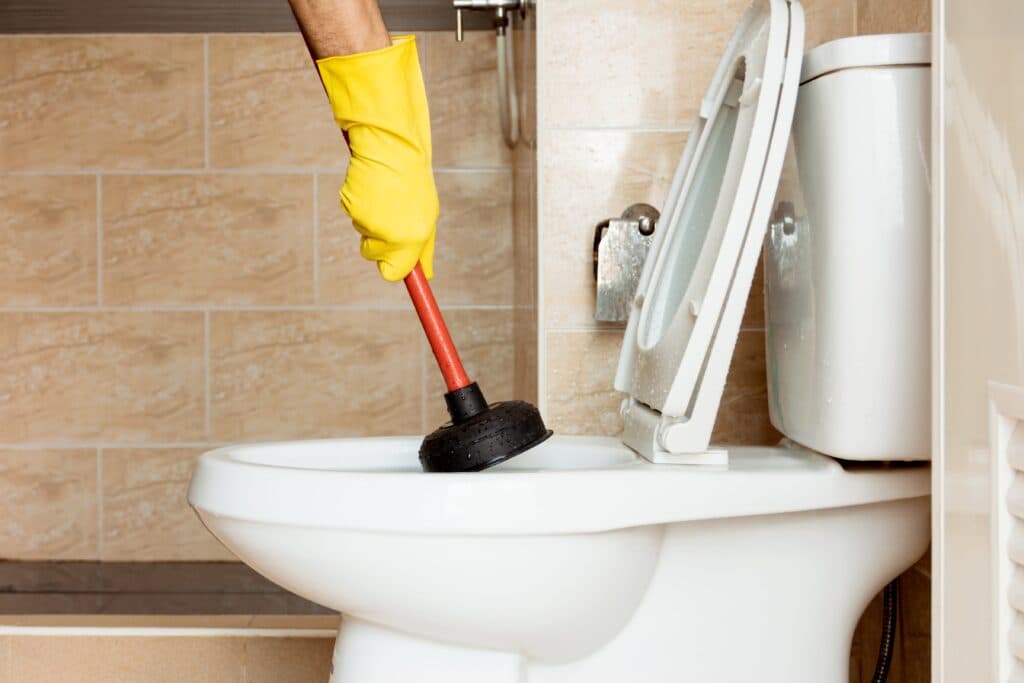
1. Use a Plunger (For Minor Clogs)
If the issue is a partial blockage, start here.
A plunger can restore normal flow within minutes.
If the toilet also flushes weakly, it may be part of the same issue.
If plunging doesn’t fully solve it, move to the next step.
2. Use a Toilet Auger (For Deeper Blockages)
A toilet auger can reach deeper into the pipe and break up stubborn clogs that a plunger can’t remove.
This is often enough to completely stop the gurgling.
3. Check the Plumbing Vent
If the problem isn’t in the drain, airflow is the next suspect.
A blocked vent pipe prevents proper air movement, creating pressure imbalance.
If you’re not comfortable accessing the roof, it’s best to call a professional.
4. Inspect the Main Drain Line
If multiple fixtures are affected, the issue may be deeper in the system.
This may require professional tools like a drain camera to locate and clear the blockage.
Signs This Could Turn Into a Bigger Problem
Don’t ignore these warning signs:
Water rising higher than normal
Frequent clogs
Gurgling in multiple fixtures
Slow drainage across the house
These indicate a deeper issue that won’t resolve on its own.
When DIY Isn’t Enough
Call a plumber if:
The problem keeps coming back
Multiple drains are affected
You notice sewage smells
Water starts backing up
If your toilet begins to overflow, it’s important to act quickly and understand how to fix an overflowing toilet before damage spreads.
Can a Gurgling Toilet Lead to Bigger Problems?
Yes — and often it does if ignored.
What starts as a small airflow issue can turn into:
Sewer backups
Water damage
Expensive repairs
That’s why early action matters.
How to Prevent Toilet Gurgling
Simple habits can prevent future issues:
Avoid flushing non-flushable items
Clean drains regularly
Keep vents clear
Address slow drainage early
Schedule periodic plumbing checks
Pro Tip
If your toilet only gurgles when using other fixtures, the issue is usually in the vent system — not the toilet itself.
FAQ
Why is my toilet gurgling but not clogged?
It may be due to a blocked vent or air pressure issue rather than a full clog.
Is a gurgling toilet dangerous?
Not immediately, but it can lead to serious plumbing problems if ignored.
Can I fix a gurgling toilet myself?
Yes, minor clogs are easy to fix, but vent issues may require professional help.
Why does my toilet gurgle when I run the sink?
This usually indicates a shared drain or vent issue.
Will a gurgling toilet fix itself?
No, the underlying problem typically gets worse over time.
What This Sound Is Trying to Tell You
A gurgling toilet isn’t random — it’s your plumbing system signaling that something isn’t right.
Sometimes it’s a simple clog. Other times, it points to deeper airflow or drainage issues.
The key is to act early. Because what feels like a small annoyance today can turn into a much bigger problem if ignored.
In some cases, recurring pressure or airflow issues can also affect other parts of your plumbing system, which is why it’s worth understanding whether noisy pipes are a sign of a bigger problem.
About HomeRepairManual Team
The HomeRepairManual Team is a group of experienced technicians and DIY experts dedicated to making repairs easier. They provide clear, reliable guidance and practical resources to help users confidently fix and maintain their equipment.
View all posts by HomeRepairManual Team