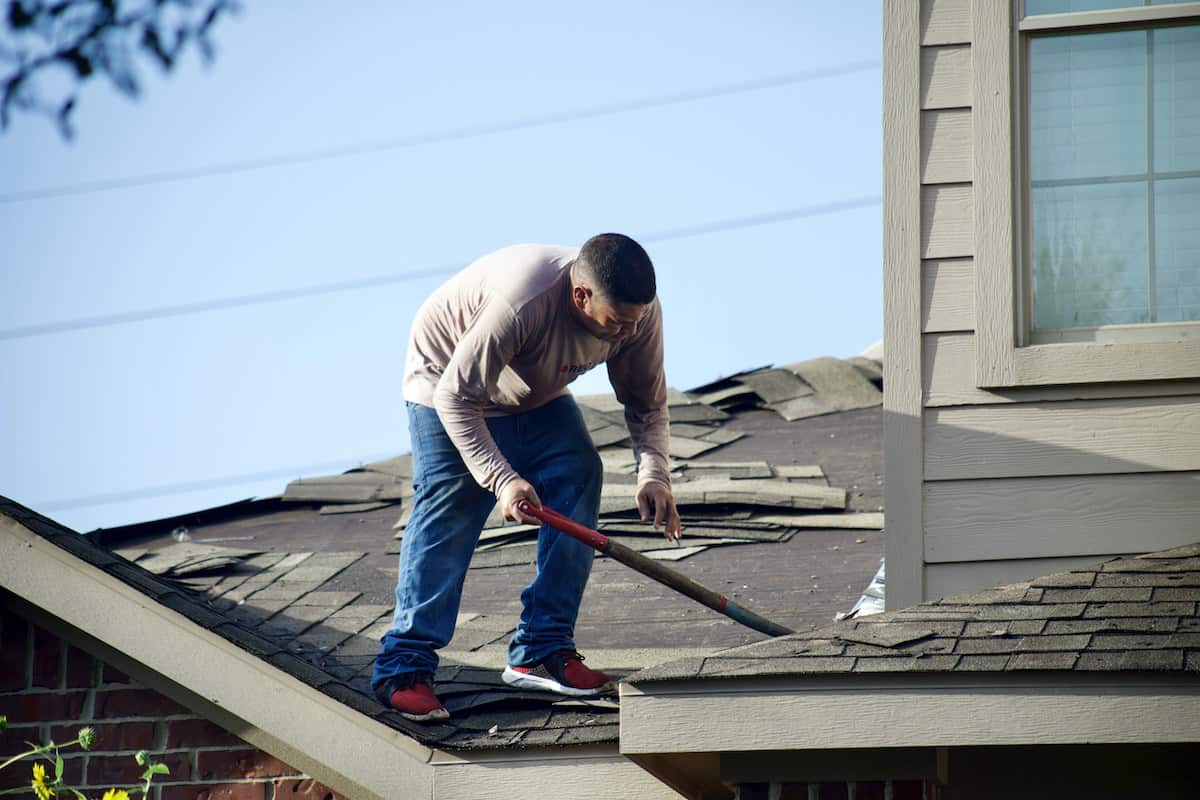
Water's coming through the ceiling right now, and every generic guide tells you the same three things: grab a bucket, throw a tarp on it, call a roofer. What almost none of them tell you is that the right emergency roof leak fix depends heavily on exactly what's happening — a slow drip and a bulging, water-filled ceiling section call for genuinely different first moves, not the same checklist. This is less about a single leaking roof fix and more about matching the right roofing emergency tips to what's actually in front of you.
Emergency Roof Leak Fix: Safety First
Before touching a ladder or a tarp, check for water anywhere near outlets, switches, or light fixtures — if you see any, shut off power to that area at the breaker before doing anything else, since water and electricity together is the one hazard worth stopping everything for as part of any roof leak emergency repair. A wet or storm-damaged roof is also far more slippery and unstable than it looks from the ground; if you're not confident on a ladder in good conditions, storm roof damage repair during active weather is not the moment to test that.
The Counter-Intuitive Move Most People Miss
If a section of ceiling is visibly sagging or bulging with trapped water, the instinct is to leave it alone — but that's often the wrong call. Poking a small, controlled hole in the center of the bulge with a screwdriver, with a bucket positioned directly underneath, lets the trapped water drain in a controlled way instead of spreading further across the ceiling or, worse, causing an uncontrolled collapse. It feels like making the damage worse, but it's genuinely one of the more effective damage-limiting moves available before a professional arrives.
Which Quick Fix Actually Fits Your Situation
These quick roof repair methods each solve a different kind of problem, so picking the wrong one wastes precious time:
1. Tarp Roof Solution
The standard choice for anything beyond a small isolated spot. Use a tarp significantly larger than the damaged area — extend well past the visible leak on all sides, since water travels sideways under shingles before it ever drips through. Secure it with wood strips screwed along the edges rather than just weighing it down, since wind can tear a loosely secured tarp free within hours.
2. Roofing Tape or Sealant
Best for a small, precisely located leak — a crack, a lifted shingle edge, or a gap around a vent. This is one of the fastest leak sealing methods available and needs no ladder-top carpentry, but it's genuinely a spot fix, not a solution for anything spread across a wider area.
3. Galvanized Sheet Metal Flashing
A less commonly mentioned option: a piece of flashing slid under the shingle above a specific hole or gap blocks water from a precise entry point, often holding up better than tape in windy or wet conditions since it doesn't rely on adhesive bonding to a damp surface.
4. Plastic Sheeting or Heavy-Duty Bags
The fallback when nothing else is available immediately — not as durable as a proper tarp, but genuinely better than doing nothing while you gather better materials or wait out a storm before going up top at all.
Materials Worth Having Before You Need Them
A temporary roof patch only works as well as what's already in your garage when the leak happens:
A heavy-duty tarp, sized generously larger than any section of your roof
Wood furring strips and deck screws for securing a tarp properly
Roofing tape or sealant rated for wet application
A utility knife, screwdriver, and a few buckets
A flashlight, since most emergency leaks aren't discovered in good daylight
Safety Lines You Shouldn't Cross
Water near any electrical fixture is an automatic stop-and-shut-off-power situation, not a judgment call. A roof with visible structural sag, not just ceiling sag, means the deck itself may be compromised — worth understanding what that kind of underlying damage actually looks like before deciding whether it's safe to walk on at all. And never attempt any roof-top fix alone; a spotter on the ground holding the ladder and staying in contact matters more than most people budget time for in an emergency.
Temporary Fix vs. Permanent Repair: Don't Confuse the Two
A tarp, patch, or sealant buys time — it isn't the repair itself, and treating it as a finished fix is how a $50 emergency patch turns into thousands in delayed damage. Document everything with photos before you touch anything, since insurance claims depend heavily on that evidence existing before cleanup begins.
Once the immediate water intrusion is controlled, the real work — locating the actual source, checking for spreading damage from missing or lifted shingles, tracing water that may have already reached the interior, and any framing it's touched along the way — is worth handling methodically to genuinely prevent water damage roof issues from spreading further, rather than rushing. That's exactly what a proper first-hour response actually involves once the emergency itself is stabilized.
FAQ
What's the fastest emergency roof leak fix for an active leak?
A properly sized tarp, secured with furring strips rather than just weight, is the fastest broadly effective water leak roof fix — roofing tape works faster but only for a small, precisely located leak.
Is it safe to go on my roof during a storm?
No — wait until conditions are dry and stable enough to walk safely, and manage the interior damage in the meantime rather than risking a fall on wet, unstable roofing.
Should I poke a hole in a water-bulged ceiling?
Yes, in most cases — a small, controlled hole with a bucket underneath lets trapped water drain safely instead of spreading or causing an uncontrolled collapse.
How do I find a roof leak I can't see from inside?
A two-person water test — one person in the attic, another running a hose section by section on the roof from outside — pinpoints hard-to-locate leaks more reliably than guessing from stains alone.
Will homeowners insurance cover emergency roof leak repair?
Often partially, especially for storm-related damage — photographing the damage before cleanup and contacting your provider promptly both matter for a successful claim.
About Mubashir Yaqoob
Mubashir Yaqoob researches and writes practical home repair guides for Home Repair Manual, focused on translating technical roofing, plumbing, and maintenance information into clear advice for homeowners.
View all posts by Mubashir Yaqoob