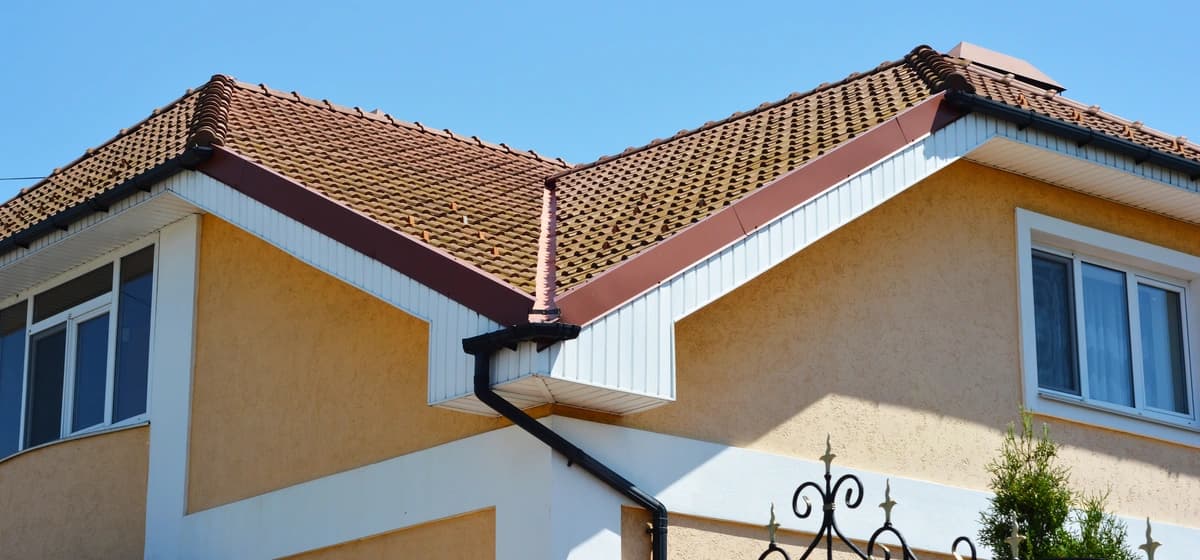
If you've ever wondered what is a roof valley, the simple answer is that it's the channel where two sloping sections of a roof meet. It has an important job: collecting rainwater from both roof planes and directing it safely toward the gutters and drainage system.
Because so much water passes through this area, roof valleys are also one of the places where leaks can develop. Damaged flashing, debris, poor installation, or deteriorated roofing materials can interfere with normal water flow and eventually allow moisture into the roof structure.
Understanding how a roof valley works makes it easier to recognize problems before they become expensive repairs.
What Is a Roof Valley?
A roof valley is the internal angle formed where two sloping roof sections come together. Instead of allowing water to run randomly across the roof, the valley creates a controlled path for runoff.
Depending on the roof design, a valley may contain metal flashing, roofing materials, or a combination of both. Beneath the visible roofing, proper underlayment and roof decking also play an important role in keeping water from reaching the structure below.
The basic process is straightforward:
Rain falls on the roof → water flows toward the valley → the valley directs the runoff downward → the gutter system carries it away.
When the valley is correctly designed and installed, this process happens without much attention from the homeowner.
Types of Roof Valleys
There are several ways roof valleys can be constructed, but three common designs are worth knowing.
Open Valleys
An open valley has visible flashing running along the valley channel. The roofing materials stop short of the center, leaving the drainage path exposed.
One advantage is that the flashing is relatively easy to inspect. Homeowners and roofers can see whether there is obvious corrosion, damage, or debris buildup.
Closed Valleys
With a closed valley, roofing materials extend across the valley area. The flashing or underlayment beneath the roofing provides an important layer of protection from water.
The finished appearance is more continuous, but problems underneath may be harder to spot without a closer inspection.
Woven Valleys
A woven valley uses overlapping roofing materials from both roof slopes. The shingles or other materials are interlaced through the valley to create a continuous surface.
The appropriate design depends on the roofing material, roof pitch, climate, and installation requirements.
Why Are Roof Valleys Important?
A roof valley isn't just an architectural detail. It's a critical part of the roof drainage system.
During heavy rainfall, a significant amount of water can move through a valley. If the channel is blocked or incorrectly installed, water may slow down, back up, or move underneath the roofing.
That can eventually contribute to:
Damaged roof decking
Wet insulation
Rotting wood
Interior ceiling stains
Mold growth
Leaks around the roof structure
Damage to surrounding roofing materials
Water that repeatedly reaches the roof decking can eventually weaken the framing beneath it. In severe cases, prolonged moisture damage can contribute to a sagging roof and other structural problems.
This is why proper valley flashing, underlayment, and drainage are so important.
Common Roof Valley Problems
Roof valleys can develop several different problems as they age.
Debris buildup: Leaves, branches, and dirt can restrict water flow, particularly where a valley meets the gutter.
Damaged flashing: Metal flashing can bend, corrode, or develop holes over time. Even a relatively small opening can allow water underneath the roofing.
Deteriorated roofing materials: Cracked, loose, or missing shingles around the valley can expose areas that should remain protected.
Poor installation: Incorrect flashing, insufficient underlayment, or improperly installed roofing materials can create problems even on a relatively new roof.
Sealant deterioration: Some roof details rely on sealants in specific locations. As these materials age, they can shrink or deteriorate.
Ice and snow: In colder climates, repeated freezing and thawing can put additional stress on roofing materials and flashing.
A valley leak isn't always obvious from inside the house. Water can travel along roof decking or framing before appearing as a ceiling stain somewhere else.
Signs Your Roof Valley May Be Leaking
A few warning signs deserve attention:
Water stains on ceilings or walls
Damp insulation in the attic
Musty odors
Discolored or damaged roof decking
Missing or damaged shingles near the valley
Rusted or visibly damaged flashing
Water appearing after heavy rain
Repeated leaks in the same area
If a leak only appears during heavy storms, don't assume the ceiling stain is directly below the source. Roof water can travel sideways along the decking and framing.
Roof Valley Maintenance and Repair Tips
Basic maintenance can prevent some common problems.
From a safe location, look for obvious debris buildup and damaged roofing. Keep gutters and downspouts clear so water leaving the valley has somewhere to go.
After major storms, it's worth checking accessible attic areas for new moisture or stains. You can also photograph suspicious areas to compare their condition over time.
If you discover an active leak but cannot arrange permanent repairs immediately, a temporary roof leak fix may help limit further water intrusion while you arrange professional repairs.
When rain is already entering the house, knowing how to deal with a roof leak from inside can also help reduce immediate interior damage while the exterior problem is being addressed.
However, avoid walking on a roof simply to inspect a valley, particularly when the surface is wet, steep, damaged, or visibly unstable.
Minor debris removal from a safely accessible location may be reasonable for a homeowner. Roof valley repair involving flashing, underlayment, damaged decking, or roofing materials is generally better handled by a qualified roofing professional.
When Should a Roof Valley Be Replaced?
A roof valley doesn't automatically need replacement because it is old.
Replacement may be appropriate when the flashing is badly corroded, repeated leaks continue after repairs, the surrounding roofing has deteriorated, or the underlying materials have suffered significant water damage.
Sometimes the problem can be solved by replacing a damaged section. In other situations, the roofing around the valley may need to be removed so the underlying flashing and underlayment can be properly repaired.
The condition of the entire roofing system should be considered before deciding between repair and replacement.
FAQ
What is a roof valley used for?
A roof valley collects water from two sloping roof sections and directs it toward the gutter or other drainage point.
Are roof valleys prone to leaking?
They can be. Valleys handle concentrated water flow, so damaged flashing, poor installation, debris, and deteriorated roofing can increase the risk of leaks.
What is the difference between an open and closed roof valley?
An open valley has visible flashing exposed along the drainage channel, while a closed valley has roofing materials covering the valley area.
How do you know if a roof valley is leaking?
Look for damaged flashing, missing roofing materials, attic moisture, ceiling stains, or leaks that appear during or shortly after rainfall.
Can a homeowner repair a roof valley?
Simple visual inspections and safe debris removal may be possible. Repairs involving flashing, roof decking, underlayment, or structural components should generally be handled by an experienced roofing professional.
Final Thoughts
So, what is a roof valley? It's one of the most important drainage components on a sloped roof, directing water away from the roof structure and toward the gutter system.
Because valleys handle concentrated runoff, they deserve more attention than they usually receive. Keeping them clear, watching for damaged materials, and investigating leaks early can help protect the roof decking and framing underneath.
If you see significant flashing damage, repeated leaks, or signs of structural deterioration, don't rely on a quick patch. A proper roof inspection can identify the underlying problem and help determine whether roof valley repair or replacement is the better long-term solution.
About Mubashir Yaqoob
Mubashir Yaqoob researches and writes practical home repair guides for Home Repair Manual, focused on translating technical roofing, plumbing, and maintenance information into clear advice for homeowners.
View all posts by Mubashir Yaqoob