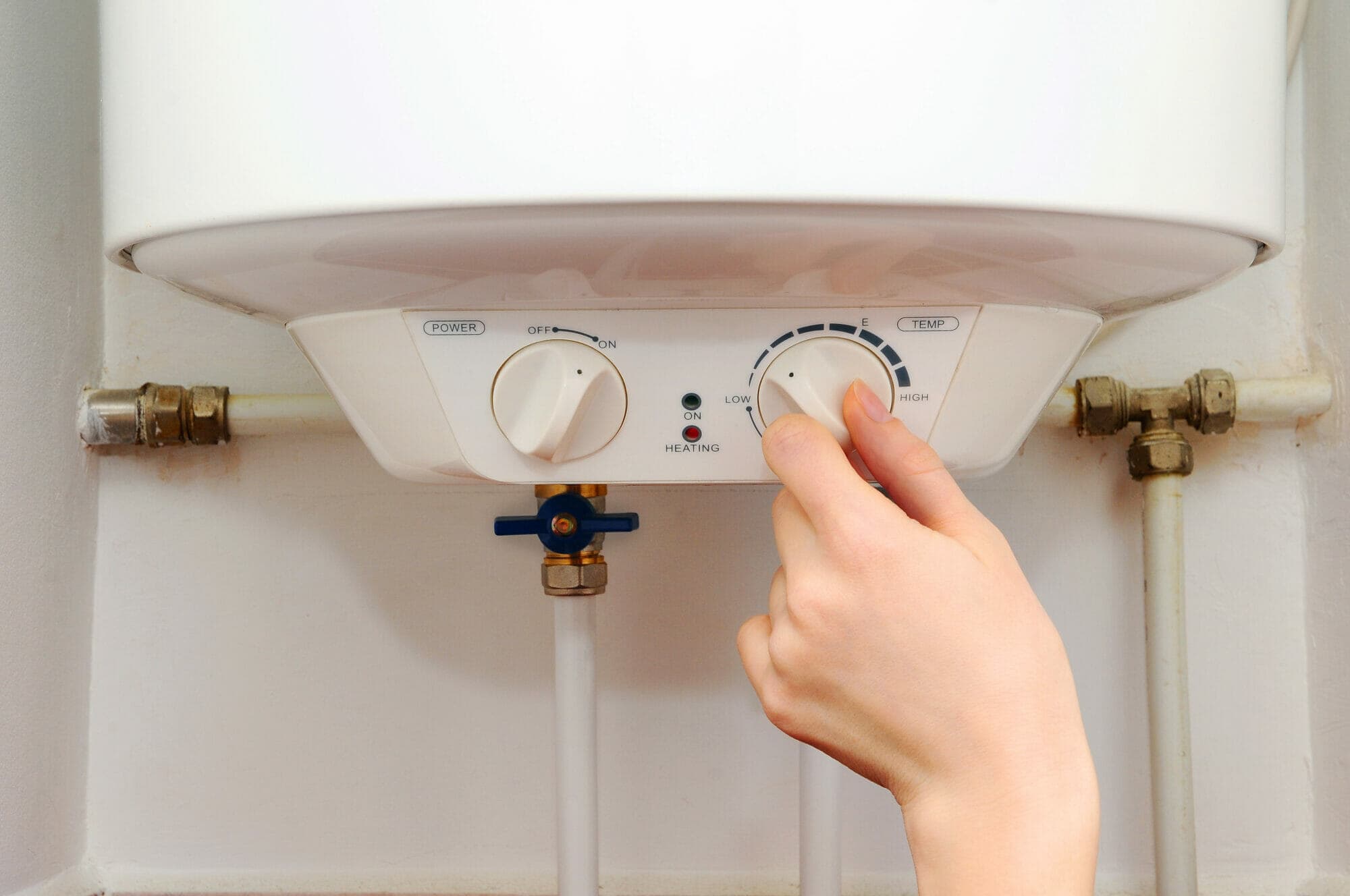
It starts as a thin sound.
Almost like air slipping through a narrow gap. You pause for a second, turn your head, and realize it’s coming from the water heater. Not loud, but persistent enough to make you wonder.
So the question lands. Is a water heater whistling dangerous ?
At first, it feels like background noise. Something mechanical. Something you can ignore for a while.
Honestly, that assumption is where most people get caught off guard.
Because heaters do not whistle for entertainment. They do it for a reason. And that reason sits somewhere between harmless and, well, not harmless at all.
Let’s unpack it properly.
Causes
There is no single answer here. Different systems, different conditions, different outcomes. But there are patterns.
1. Pressure Buildup
This is one of the most common triggers.
When internal pressure rises, it forces water or steam through tight openings. That creates a sharp tone, almost like a whistle. This is very similar to why pipes whistle, where pressure forces water through restricted spaces and creates that sharp sound.
This is a classic water heater pressure issue.
It is not always visible. But it is definitely audible.
2. Sediment Accumulation
Over time, minerals settle at the bottom of the tank. They form a layer. That layer interferes with heating.
Water heats unevenly, bubbles form, and sound develops. This leads to a heater noise problem that feels subtle at first.
Then it grows.
3. Faulty Pressure Relief Valve
The pressure relief valve is supposed to release excess pressure safely. If it malfunctions, it can produce a whistling sound.
This points toward a pressure valve issue. Not something to ignore.
4. Narrowed Flow Paths
Mineral buildup or internal wear can restrict water flow.
In many homes, this same restriction is also linked to issues like what causes a faucet to drip, where worn or narrowed flow paths affect proper sealing.
When water is forced through these narrow spaces, it creates a whistling heater cause.
Similar to air moving through a tight opening.
Sharp. Noticeable.
5. Internal Component Wear
Over time, internal parts degrade. Seals weaken. Connections loosen.
This leads to irregular movement and sometimes a heater vibration sound. Not always loud.
But persistent enough to matter.
A Quick Overview
Cause | Sound Type | Risk Level |
|---|---|---|
Pressure buildup | Sharp whistle | Medium to High |
Sediment buildup | Rumbling with a whistle | Medium |
Valve issues | High-pitched | High |
Flow restriction | Thin whistle | Low to Medium |
Component wear | Vibrating tone | Medium |
It’s not exact. But it helps frame things.
Is It Dangerous
This is the part that matters most. And the answer is not simple.
When It Is Not Dangerous
If the sound is occasional and mild, it may not indicate immediate danger.
A minor heating system noise can exist without leading to failure.
But that does not mean it should be ignored completely.
When It Becomes a Concern
Persistent or loud whistling often signals deeper issues.
This is also where concerns about are noisy water pipes dangerous become relevant, especially when pressure starts affecting the wider plumbing system.
Pressure imbalance
Valve malfunction
Internal wear
This is where water heater risk increases. Not instantly catastrophic. But gradually.
The Pressure Factor Again
Pressure is invisible.
You don’t see it building. You only hear it.
And when pressure rises beyond safe levels, it creates a serious heater safety concern.
That is where things shift from inconvenience to risk.
Possible Risks
Noise is not the problem. The cause behind it is.
1. Overpressure
Excess pressure stresses the tank.
This can lead to leaks or, in extreme cases, rupture.
Rare, but possible.
2. Reduced Efficiency
Sediment buildup reduces heating efficiency.
The system works harder.
Energy consumption increases.
3. Internal Damage
Components wear faster under stress.
This leads to further boiler noise issue development.
And eventually, failure.
4. Water Damage
Leaks caused by internal issues can damage surrounding areas.
If ignored, this can develop into more serious problems like a water heater leaking from the bottom, which usually indicates internal tank damage.
Floors. Walls. Storage spaces.
Quiet damage.
5. Safety Risks
In extreme cases, pressure buildup can create hazardous conditions.
This is where water heater risk becomes serious.
A Slight Pause
Let’s be honest. A whistling sound does not feel dangerous. It just feels like something you can deal with later.
It feels annoying. But annoyance is often the first stage of awareness. And awareness is what prevents escalation.
Fixes
Fixing the issue depends on the cause. Not guessing.
Step 1: Check Pressure Levels
Use a gauge if possible.
Ideal pressure should remain within safe limits.
If it’s too high, adjust the regulator. This addresses the water heater pressure issue directly.
Step 2: Flush the Tank
Sediment buildup needs removal.
Drain and flush the tank periodically.
This reduces the heater noise problem and improves efficiency.
Step 3: Inspect the Pressure Relief Valve
Test the valve carefully. If it’s faulty, replace it.
A malfunctioning valve is not worth risking.
Step 4: Clean Internal Components
Remove mineral buildup where accessible.
This improves flow and reduces whistling.
Step 5: Tighten Connections
Loose parts create vibration.
Secure them properly.
This reduces the heater vibration sound.
A Small Correction
Actually, not all noise comes from the heater itself.
Sometimes, pipes connected to the system contribute.
So, yes, the sound might travel. It’s not always localized.
Practical Tips
Some habits reduce issues.
Monitor system performance regularly
Flush the tank annually
Check pressure periodically
Listen for changes in sound patterns
These steps act as heater repair tips. Simple, but effective.
When to Worry
There are moments when attention becomes urgent.
Signs You Should Not Ignore
Increasing volume of whistling
Sudden pressure changes
Water leakage around the unit
Irregular heating performance
These indicate a serious heater safety concern.
Do not delay action.
When to Call a Professional
Call for help if:
Noise persists after basic fixes
Pressure remains unstable
You suspect internal damage
A professional can address deeper plumbing noise solution needs.
Honestly, I think people underestimate heater sounds. Because they are familiar.
You hear them often enough that they feel normal.
Until they change.
And that change is easy to dismiss.
I have done that myself. Ignored a sound for weeks, thinking it would settle on its own.
It didn’t. It got louder. So, yes, pay attention early.
The Balance
Not every sound means danger. But every sound means something. Understanding that difference is key.
5 FAQ
1. Is a water heater whistling dangerous?
Is a water heater whistling dangerous depends on the cause. Mild noise may be harmless, but persistent whistling often indicates pressure or internal issues.
2. What causes a whistling heater?
A whistling heater cause can include pressure buildup, sediment accumulation, or valve problems.
3. Can a heater noise problem lead to damage?
Yes. A heater noise problem can signal issues that lead to leaks or system failure if ignored.
4. How do I fix a water heater pressure issue?
Adjusting pressure regulators and checking valves helps resolve water heater pressure issues.
5. When should I worry about heater safety concerns?
If noise increases or pressure becomes unstable, it indicates a serious heater safety concern.
What This Sound Is Telling You
A whistling water heater is not random. It is a signal. Sharp. Persistent. Easy to overlook. But meaningful. Pressure, wear, imbalance. Understanding that turns noise into awareness.
About HomeRepairManual Team
The HomeRepairManual Team is a group of experienced technicians and DIY experts dedicated to making repairs easier. They provide clear, reliable guidance and practical resources to help users confidently fix and maintain their equipment.
View all posts by HomeRepairManual Team