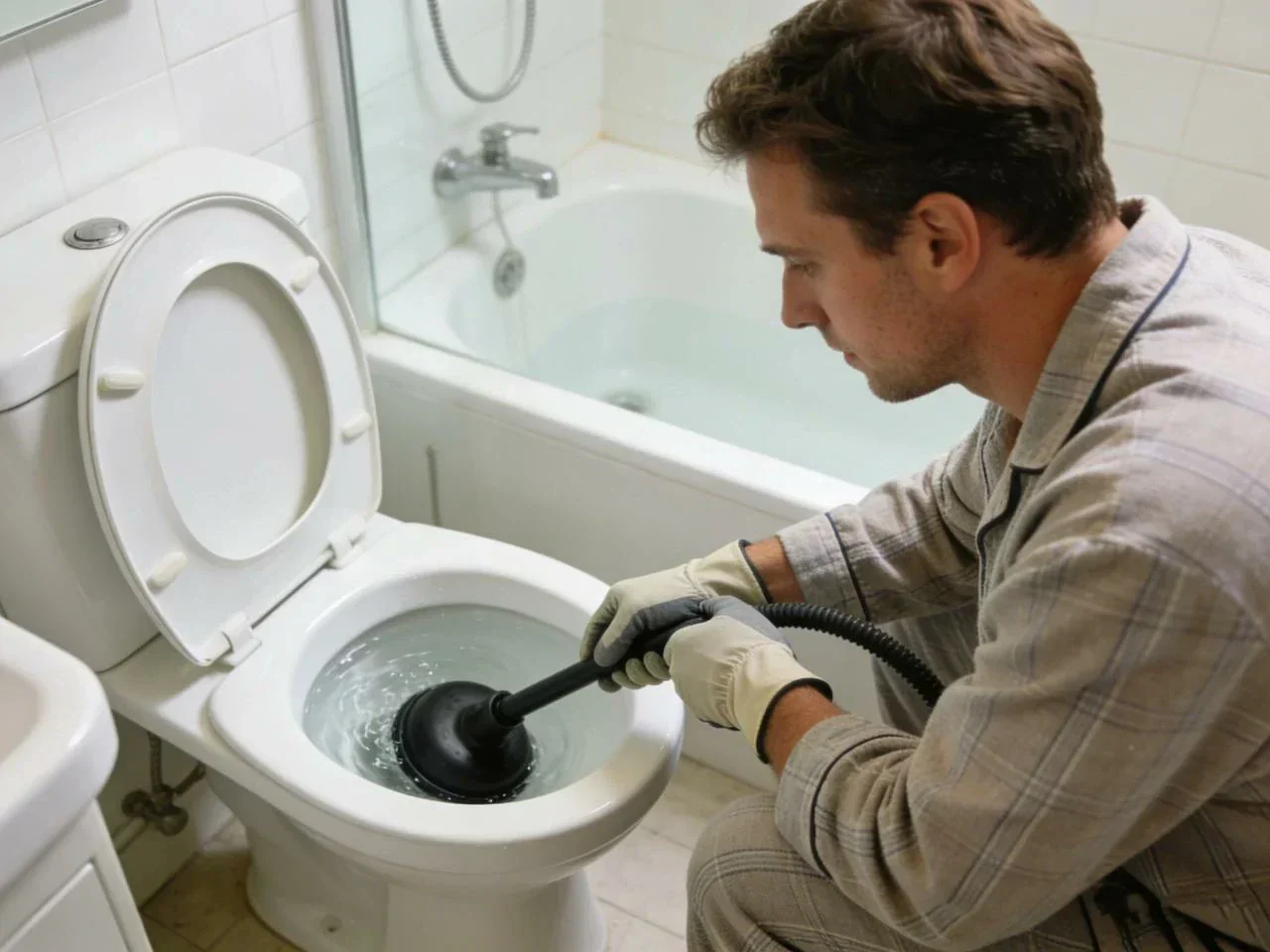
A toilet overflowing is one of those problems that demands immediate action. One second everything seems normal, and the next, water is rising toward the rim, threatening to spill onto your floor.
Situations like this can feel stressful, but most overflowing toilet problems are caused by simple issues like clogs or minor mechanical faults. If you act quickly and follow the right steps, you can stop the overflow and learn how to fix an overflowing toilet before it turns into serious damage.
First Things First: Stop the Overflow Immediately
Before you try to fix anything, you need to stop the water from rising.
Start by turning off the water supply valve located behind the toilet near the floor. Turn it clockwise until the water stops. If you can’t reach it in time, remove the tank lid and gently lift the float to stop water from filling the tank.
Do not flush again while the issue is unresolved, as this can make the overflow worse. Once the water level stabilizes, clean up any spilled water to protect your flooring and prevent slipping.
What Causes a Toilet to Overflow?
An overflowing toilet usually happens when water can’t move through the system as it should. Here are the most common reasons.
Clogged Toilet or Drain Line
This is the most frequent cause. Excess toilet paper, wipes, or foreign objects can block the drain, preventing water from flowing out properly. In many cases, the blockage forms in the trapway, which is the curved section inside the toilet that controls water flow. When this happens, the water backs up into the bowl instead of draining away.
In some cases, this kind of blockage starts with weak flushing performance if your toilet isn’t flushing properly, it’s best to fix it early before it leads to an overflow.
In most homes, this type of clog can be cleared quickly with the right tools.
Blocked Sewer Line
If more than one drain in your home is slow or backing up, the issue could be deeper in the sewer line. A blockage here prevents wastewater from leaving your home, which can cause repeated overflows.
Faulty Float or Fill Valve
The float and fill valve control how much water enters the tank. If they malfunction, the tank may keep filling beyond the normal level, increasing the risk of overflow.
Septic System Problems
For homes using a septic system, a full or failing tank can cause wastewater to back up into the toilet. This is less common but more serious.
Warning Signs You Shouldn’t Ignore
Overflow rarely happens without warning. Watch for these signs:
Water rising higher than usual after flushing
Slow or incomplete drainage
Gurgling noises from pipes
Frequent need to plunge
Catching these early can prevent a full overflow situation.
You might also hear unusual sounds before bigger plumbing issues appear, like your toilet making noise when not in use.
Step-by-Step How to Fix an Overflowing Toilet
Here’s exactly how to fix an overflowing toilet step by step, even if you have no prior plumbing experience.
Step 1: Ensure Water Is Turned Off
Double-check that the water supply is completely shut off before continuing.
Step 2: Lower the Water Level
If the bowl is still full, remove some water carefully using a container. This makes the repair process easier and safer.
Step 3: Use a Plunger Properly
Place the plunger over the drain opening and press down firmly to create a seal. Use steady, controlled motions to loosen the blockage. Make sure there is enough water in the bowl to fully cover the plunger head for the best results.
Step 4: Try a Toilet Auger
If plunging doesn’t work, a toilet auger can reach deeper into the pipe and remove stubborn clogs.
Step 5: Inspect the Tank Components
Check the flapper, float, and fill valve to ensure everything is working correctly. If parts are worn or misaligned, they may need adjustment or replacement.
Step 6: Turn Water Back On and Test
Slowly turn the water supply back on and flush the toilet to confirm the issue is resolved.
When a Plunger Isn’t Enough
Sometimes a clog is located deeper in the plumbing system. If a plunger doesn’t fix the issue, using an auger is the next step.
If the problem still persists, it may indicate a blockage in the sewer line or a larger plumbing issue that requires professional attention.
Why You Shouldn’t Ignore an Overflowing Toilet
Even a single overflow can cause more damage than you might expect.
Water can seep into flooring, damage subfloors, and create the perfect environment for mold growth. Beyond the mess, it can also lead to hygiene concerns and unpleasant odors if not cleaned properly.
Water damage in your home can also come from appliances like a water heater leaking from the bottom, which should be addressed quickly.
When It’s Time to Call a Plumber
While many toilet overflows can be fixed at home, some situations require expert help.
Call a plumber if:
The toilet keeps overflowing repeatedly
Multiple fixtures are backing up
You suspect a sewer line blockage
DIY methods fail to fix the issue
If your toilet is also not flushing properly, you may want to check our guide on how to fix a toilet that won’t flush.
How to Prevent Toilet Overflow
A few simple habits can prevent most overflow issues.
Avoid flushing non-flushable items like wipes or paper towels. Keep an eye on slow drainage and fix minor clogs early. Regular maintenance can go a long way in preventing unexpected problems.
Quick Fix Overview
Issue | Likely Cause | Solution |
Water rising after flush | Clog | Use plunger |
Frequent overflow | Sewer blockage | Call plumber |
Tank overfilling | Faulty float | Adjust or replace |
Slow drainage | Partial clog | Use auger |
Pro Tip
If your toilet starts draining slower than usual, don’t ignore it—this is often the first warning sign of a future overflow.
FAQ
What should I do first when my toilet overflows?
Turn off the water supply immediately to stop the flow and prevent further overflow.
Why does my toilet overflow when I flush it?
This is usually caused by a clog that prevents water from draining properly.
Can I fix an overflowing toilet without a plumber?
Yes, most clogs can be cleared using a plunger or auger.
Is an overflowing toilet dangerous?
It can cause water damage and hygiene issues if not handled quickly.
What causes repeated toilet overflows?
This may indicate a deeper issue such as a sewer line blockage or septic problem.
Final Thoughts
An overflowing toilet can be stressful, but it’s usually caused by a common issue like a clog or a minor fault in the system. Acting quickly to stop the water and understanding how to fix an overflowing toilet can resolve the problem efficiently.
With the right knowledge and quick action, most homeowners can handle this issue without professional help and prevent it from happening again in the future.
About Mubashir Yaqoob
Mubashir Yaqoob researches and writes practical home repair guides for Home Repair Manual, focused on translating technical roofing, plumbing, and maintenance information into clear advice for homeowners.
View all posts by Mubashir Yaqoob