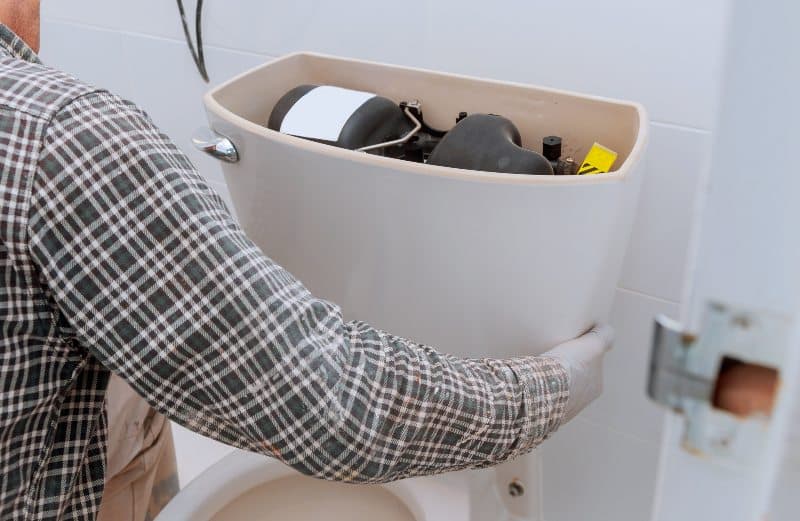
If your toilet won’t flush, it can quickly turn from a minor inconvenience into a frustrating problem. You might press the handle and nothing happens, deal with a weak flush, or even find yourself pouring water into the bowl just to make it work.
In many cases, this issue is simple to fix but if ignored, it can waste water and lead to bigger plumbing problems over time.
Why Is My Toilet Not Flushing Properly?
A toilet that won’t flush properly is usually the result of something interrupting the normal flow of water from the tank to the bowl. In many cases, this could be a clog in the drain, a low water level in the tank, or a worn-out flapper that isn’t releasing enough water during the flush.
In older toilets, mineral buildup or aging parts can also reduce performance over time. The key is not to guess but to identify the exact issue before applying a fix.
Different Toilet Flushing Problems (Identify Yours First)
Not all flushing issues are the same, and recognizing the type of problem you’re dealing with can save a lot of time.
Toilet Won’t Flush at All
If you press the handle and nothing happens, the issue is usually mechanical. In most cases, the chain inside the tank has come loose, broken, or disconnected from the flush lever. This prevents the flapper from lifting and releasing water.
Weak Toilet Flush
A weak flush often means the toilet isn’t getting enough water pressure to clear the bowl. This can happen when the tank water level is too low, or when mineral deposits block the rim jets that distribute water during a flush.
Toilet Only Flushes with a Bucket
If pouring water into the bowl makes it flush normally, the problem is almost always inside the tank. This usually points to a faulty flapper, improper water level, or a fill valve that isn’t working correctly.
Toilet Handle Does Nothing
A loose or unresponsive handle typically indicates a disconnected chain or a worn-out flush lever. This is one of the simplest issues to fix and often requires no tools.
Common Causes of a Toilet That Won’t Flush
Understanding the root cause makes fixing the problem much easier.
1. Clogged Toilet or Drain Line
This is one of the most common issues and can usually be resolved quickly using a plunger or toilet auger. When waste or debris partially blocks the pipe, water cannot flow properly, resulting in a slow or incomplete flush. You may notice the water rising higher than usual or draining slowly after flushing.
2. Low Water Level in Tank
For a toilet to flush properly, the tank needs to hold enough water to create pressure. If the water level is too low, the flush will be weak or ineffective. This is often caused by an incorrectly adjusted float or a malfunctioning fill valve. This happens because the toilet relies on a specific amount of water pressure from the tank to push waste through the drain effectively.
3. Broken Flapper or Flush Valve
The flapper is responsible for releasing water from the tank into the bowl. Over time, exposure to water chemicals and regular use can cause the flapper to lose flexibility, reducing its ability to create a proper seal.
4. Loose or Disconnected Chain
The chain connects the flush handle to the flapper. If it becomes too loose, tangled, or disconnected, pressing the handle won’t lift the flapper. This results in a toilet that won’t flush at all.
5. Fill Valve Problems
The fill valve controls how the tank refills after each flush. If it isn’t working properly, the tank may not fill to the correct level, which directly affects flushing performance.
6. Blocked Rim Jets
Rim jets are small holes under the toilet rim that release water into the bowl during flushing. Over time, mineral buildup can clog these openings, reducing water flow and weakening the flush.
Step-by-Step Diagnosis (Find the Problem Fast)
Instead of guessing, follow this simple process to pinpoint the issue:
Press the flush handle and observe the response
Remove the tank lid and check inside
Look at the chain connection
Inspect the flapper for damage
Check if the water level is adequate
Observe how water flows during a flush
Most homeowners can identify the problem in just a few minutes using this method.
How to Fix a Toilet That Won’t Flush (DIY Guide)
Once you know the cause, applying the right fix becomes much easier.
Fixing a Clogged Toilet
If a clog is the issue, using a plunger is usually enough to clear the blockage. For tougher clogs, a toilet auger may be needed to reach deeper into the drain.
Adjusting or Reconnecting the Chain
If the chain is too loose or disconnected, simply reattach it and adjust the length so it lifts the flapper properly when the handle is pressed.
Replacing the Flapper
A worn-out flapper is inexpensive and easy to replace. Installing a new one can immediately restore proper flushing performance.
Adjusting the Water Level
If the tank doesn’t fill properly, adjusting the float can solve the issue. This ensures enough water is available for a strong flush.
Cleaning Rim Jets
Mineral buildup can be removed using vinegar or a small brush. Cleaning these jets improves water flow and flushing power.
Replacing the Fill Valve
If the tank isn’t refilling correctly, replacing the fill valve can resolve both water level and pressure issues.
Quick Fix Table
Problem | Likely Cause | Best Fix |
No flush | Disconnected chain | Reattach or replace |
Weak flush | Low water level | Adjust float |
Slow drain | Partial clog | Use plunger |
No refill | Fill valve issue | Replace valve |
Should You Fix This Immediately?
A toilet that won’t flush properly should not be ignored. Even a minor issue like a clog or low water level can get worse over time. In some cases, it may lead to overflows, water waste, or damage to your plumbing system if left unresolved.
When to Call a Plumber
While most toilet problems are easy to fix, there are situations where professional help is necessary. If the toilet remains clogged after multiple attempts, or if multiple fixtures in your home are affected, it could indicate a deeper plumbing issue. If your toilet is also making unusual sounds, you may want to check our guide on why a toilet makes noise when not in use.
You should also consider calling a plumber if you notice leaks, unusual noises, or signs of pipe damage.
How to Prevent Toilet Flushing Problems
Regular maintenance can help avoid most flushing issues. Avoid flushing non-flushable items, clean the tank components periodically, and ensure the water level stays properly adjusted. Keeping your toilet in good condition reduces the chances of sudden problems.
Pro Tip
If your toilet suddenly stops flushing, check the chain first it’s one of the quickest and most common fixes.
FAQ
Why does my toilet only flush when I pour water into it?
This usually means the tank isn’t releasing enough water due to a flapper or fill valve issue.
Why is my toilet handle loose?
A loose handle is often caused by a disconnected or worn chain inside the tank.
Can I fix a toilet that won’t flush without tools?
Yes, many common issues can be fixed with simple adjustments and basic checks.
What is the most common cause of a toilet not flushing?
A clog or a faulty flapper is typically the most common reason.
How much does it cost to fix a toilet that won’t flush?
Most repairs are inexpensive and can cost under $20 if you handle them yourself.
Is a toilet that won’t flush a plumbing emergency?
In most cases, no. However, if the issue is caused by a major blockage or affects multiple fixtures, it’s best to address it quickly to avoid bigger problems.
What should I do if my toilet won’t flush and the water rises?
Turn off the water supply immediately to prevent overflow, then use a plunger to clear the blockage before flushing again.
Final Thoughts
A toilet that won’t flush might seem like a serious problem, but in most cases, it comes down to a simple issue like a clog, low water level, or a worn-out component.
By taking a few minutes to diagnose the problem and apply the right fix, you can restore your toilet’s performance without needing professional help. Acting early not only saves time and money but also prevents bigger plumbing issues in the future.
In some cases, water issues in your home may come from other systems as well, such as a water heater leaking from the bottom.
About HomeRepairManual Team
The HomeRepairManual Team is a group of experienced technicians and DIY experts dedicated to making repairs easier. They provide clear, reliable guidance and practical resources to help users confidently fix and maintain their equipment.
View all posts by HomeRepairManual Team