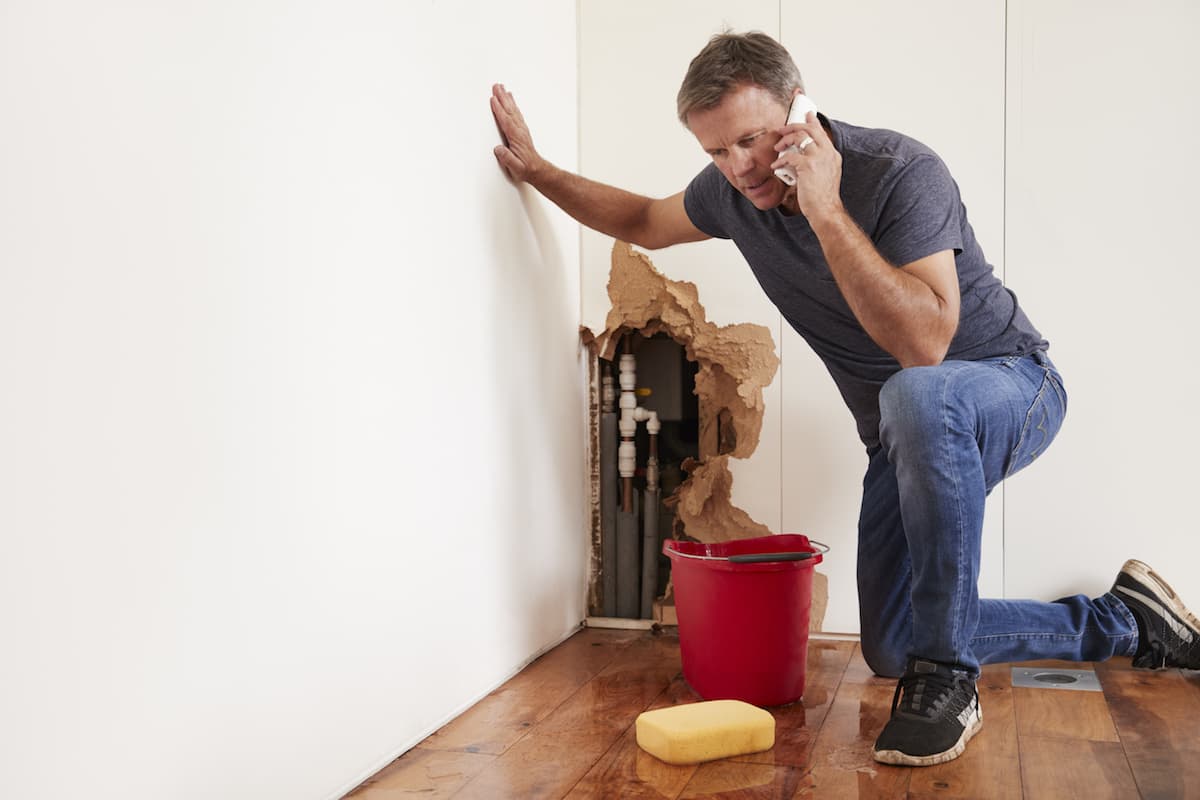
It’s not a loud noise. Not at first.
A faint, sharp tone. Almost like air escaping somewhere it shouldn’t. You turn the tap, and there it is again. That thin, whistling sound that feels oddly precise.
So the question shows up. Why do pipes whistle in the first place?
It sounds harmless. Maybe even mechanical, like something working normally. But honestly, it rarely is.
That sound is pressure. Or friction. Or something slightly out of alignment. And here’s the thing. Pipes do not whistle for no reason.
Causes of Whistling Pipes
There isn’t a single explanation.
There are patterns, though. And once you start noticing them, the noise begins to make more sense.
1. High Water Pressure
This is one of the most common triggers.
When water flows too fast through narrow spaces, it creates a water pressure sound. Almost like air moving through a tight opening.
This leads to that sharp pipe whistling noise.
The system is under stress. Not failing yet, but close to discomfort.
2. Worn or Loose Washers
Inside faucets and valves, washers control flow.
When they wear down or loosen, they vibrate slightly. That vibration creates a pipe vibration noise.
It’s subtle. But persistent. And it can drive you a little crazy over time.
3. Blocked or Restricted Flow
Mineral buildup narrows the path water travels through.
That restriction changes how water moves. It becomes uneven, forced.
This creates a plumbing noise cause that feels sharper than normal flow sounds.
You might not see the blockage. But you hear it.
4. Faulty Valves
Valves regulate water direction and pressure.
When they malfunction, they disrupt flow patterns.
This results in a noisy pipes reason that often appears suddenly.
One day, it’s quiet. The next day, it isn’t.
5. Air in the Pipes
Air pockets create irregular flow.
Water pushes through unevenly, producing a water pipe noise that can resemble whistling or even hissing.
It’s inconsistent, which makes it harder to diagnose at first.
In some homes, trapped air can also lead to a gurgling toilet problem, which points to similar airflow issues in the system.
Cause | Sound Type | Severity |
High pressure | Sharp whistle | Medium |
Loose washers | Vibrating tone | Low |
Blockage | High-pitched | Medium |
Faulty valves | Sudden whistle | Medium |
Air pockets | Irregular noise | Low to Medium |
It’s not exact, but it gives you a direction.
Is It Dangerous?
Short answer.
Sometimes.
The long answer is more nuanced.
When It Is Harmless
If the noise is occasional and mild, it might not indicate serious damage.
A minor plumbing sound issue can exist without immediate risk.
But ignoring it completely is not ideal.
When It Signals Risk
Persistent whistling often points to a pressure imbalance or internal wear.
That can lead to:
Pipe stress
Joint weakening
Potential leaks
So yes, while it might not feel urgent, it can escalate. Quietly.
The Pressure Factor
Let’s pause here.
Pressure is invisible. You don’t see it building. But you hear it.
This is often where concerns about noisy water pipes becoming dangerous start to surface, especially when pressure remains unchecked.
And when high pressure pipes are involved, the system is working harder than it should.
That strain shows up as sound before it shows up as damage. That’s important.
How to Fix It
Fixing whistling pipes is not always complicated. But it requires a bit of observation. And patience.
Step 1: Check Water Pressure
Use a pressure gauge if possible. Ideal household pressure usually falls between 40 and 60 psi.
If it’s higher, install or adjust a regulator. This alone can act as a pipe sound fix.
Step 2: Inspect Washers and Valves
Turn off the water supply.
Disassemble the faucet or valve.
Look for worn or loose components.
Replace them if needed.
This addresses common plumbing noise cause issues.
Step 3: Flush the System
Run water through all taps for a few minutes.
This can remove air pockets.
Sometimes, that’s enough to reduce the water pipe noise.
Step 4: Clean Mineral Deposits
Soak affected parts in a cleaning solution.
Remove buildup carefully.
This restores proper flow and reduces friction noise.
Step 5: Secure Loose Pipes
Loose pipes can vibrate against surfaces.
Tighten brackets or supports.
This reduces pipe vibration noise significantly.
A Small Correction
Actually, not all noises come from pipes themselves.
Sometimes the sound travels through walls and echoes differently.
So, what you hear might not be exactly where the issue is. That’s worth keeping in mind. You might even notice related sounds in nearby fixtures, like when the sink gurgles after flushing the toilet.
Practical Tips
Some habits help prevent these issues.
Monitor water pressure regularly
Replace worn parts early
Clean fixtures periodically
Listen for changes in sound patterns
Consistency matters here. More than people think.
Honestly, I think people ignore plumbing sounds too often. Because they are not visible.
If a pipe leaked openly, it would get immediate attention.
But a whistle?
It feels less urgent. Until it isn’t. And then you realize the sound was trying to tell you something all along.
When to Call a Plumber
There’s a limit to DIY fixes.
Call a professional if:
The noise persists after basic repairs
Pressure remains high despite adjustments
You suspect internal pipe damage
The sound becomes louder or more frequent
A proper plumbing noise solution sometimes needs deeper inspection. No point guessing endlessly.
Signs You Should Not Ignore
Increasing the pitch of the whistle
Sudden changes in water flow
Vibrations felt through pipes
Noise in multiple fixtures
Over time, these issues can also affect performance, leading to problems like a slow flushing toilet.
If pressure problems continue unchecked, they can even contribute to an overflowing toilet in more serious situations.
These indicate a larger plumbing sound issue. Better to address it early.
5 FAQ
1. Why do pipes whistle when I turn on the tap?
Why do pipes whistle often comes down to a pressure imbalance or worn components causing vibration.
2. Is the pipe whistling noise dangerous?
A pipe whistling noise can indicate pressure or wear issues that may lead to damage if ignored.
3. How do I fix water pressure sound issues?
Adjusting pressure regulators helps reduce water pressure sound and prevents strain on pipes.
4. What causes pipe vibration noise?
Loose washers or fittings often create pipe vibration noise due to irregular water flow.
5. When should I call a plumber for noisy pipes?
If basic fixes fail, a professional can provide a proper plumbing noise solution.
Final Thoughts
Whistling pipes are not random. They are signals: Small, precise, and easy to ignore. But they carry meaning, and understanding them turns noise into information.
About HomeRepairManual Team
The HomeRepairManual Team is a group of experienced technicians and DIY experts dedicated to making repairs easier. They provide clear, reliable guidance and practical resources to help users confidently fix and maintain their equipment.
View all posts by HomeRepairManual Team