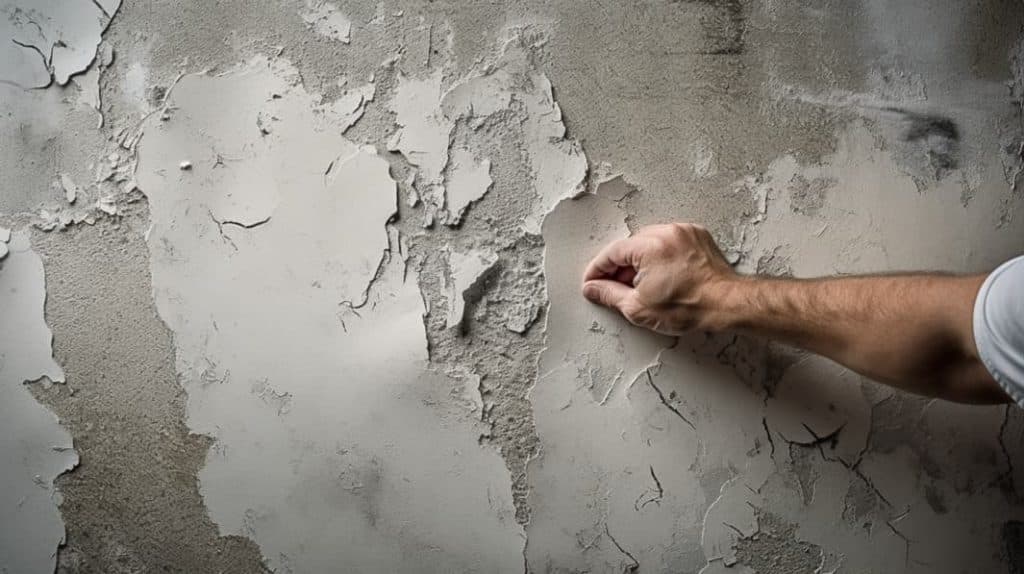
Walls don’t speak. At least not in words.
But they show things. Small things at first. A faint crack. A dent that wasn’t there before. A patch of discoloration that feels… out of place.
That’s where understanding types of drywall damage actually matters.
Honestly, most people notice damage but don’t interpret it. They see it, maybe ignore it, maybe plan to fix it later. But drywall doesn’t fail randomly. It reflects what’s happening underneath.
And sometimes, it’s not just about the wall.
It’s about the structure, the moisture, the movement.
So let’s get into it. Not just what damage looks like, but what it means.
Drywall Cracks Types
Drywall damage comes in different forms. Some are cosmetic. Others… not so much.
1. Hairline Cracks
These are the quiet ones.
Thin, almost delicate lines that appear along seams or corners. They fall under drywall cracks types that are often linked to settling.
Most of the time, they are not serious. But they can grow.
2. Large Cracks
Now it becomes noticeable.
Wider cracks suggest movement. Structural shifts, temperature changes, or poor installation.
This is where wall cracks repair becomes more than just filling a line. It requires attention.
3. Nail Pops
Small bumps on the wall.
Sometimes they break through the paint.
They occur when drywall fasteners loosen over time. A minor form of drywall issues, but still worth fixing.
4. Dents and Dings
Impact damage.
Furniture, doors, accidents.
These create surface-level wall damage types that look simple but can still affect appearance.
And honestly, they’re common.
5. Holes
Small holes from nails.
Larger ones from impact.
These fall into the drywall holes and cracks categories that require patching rather than simple repair. Depending on the size of the breach, fixing them can range from a quick weekend project to a significant expense; check out our complete drywall repair cost guide to see what contractors typically charge for seamless patching.
6. Water Damage
This one changes everything.
Stains, soft spots, or bubbling paint indicate moisture.
A serious type of drywall surface damage.
Not just cosmetic.
7. Sagging Drywall
Ceilings especially.
When drywall begins to sag, it suggests structural or moisture issues.
This is not a small fix.
Types Of Drywall Damage
Damage Type | Appearance | Severity |
Hairline cracks | Thin lines | Low |
Large cracks | Wide gaps | Medium |
Nail pops | Small bumps | Low |
Dents | Surface marks | Low |
Holes | Visible gaps | Medium |
Water damage | Stains, softness | High |
Sagging | Drooping sections | High |
Causes of Drywall Issues
Damage doesn’t happen on its own.
There’s always a reason.
1. Structural Movement
Homes settle.
Foundations shift slightly.
This creates stress on the walls.
That stress leads to cracks.
2. Moisture
Water is one of the biggest causes.
Leaks, humidity, condensation.
All contribute to drywall problems that worsen over time.
Exterior water infiltration is incredibly deceptive; if you notice soft sheetrock forming near an opening, check out our guide on how to fix a leaky window to seal out driving rain before hanging fresh panels.
3. Poor Installation
Improper fastening or weak joints.
These issues show up later.
Sometimes much later.
4. Temperature Changes
Expansion and contraction affect materials.
Drywall reacts.
Small changes become visible damage.
5. Physical Impact
Doors, furniture, accidents.
Simple, but common.
6. Aging Materials
Over time, materials degrade.
Even without obvious triggers.
This contributes to the wall damage repair needs.
Let’s be honest. Not all damage feels urgent. But that’s the tricky part. The ones that don’t feel urgent are often the ones that grow quietly.
Fixes for Wall Damage Repair
Fixing drywall depends on the type of damage.
Not every issue needs the same approach.
1. Repairing Hairline Cracks
Use joint compound.
Apply lightly.
Sand and repaint.
Simple.
2. Fixing Larger Cracks
Reinforce with tape.
Then apply the compound.
Smooth and finish.
This is a more involved wall cracks repair process.
3. Handling Nail Pops
Remove or reset the nail.
Secure the area.
Cover with compound.
Quick fix.
4. Repairing Dents
Fill with compound.
Sand smooth.
Paint.
This is basic home wall repair.
5. Patching Holes
Cut a clean section.
Insert patch material.
Apply compound and finish.
This is where drywall repair types become more technical.
6. Addressing Water Damage
This is different.
Remove damaged drywall.
Fix the source of moisture.
Replace and repair.
This is not optional.
7. Fixing Sagging Sections
Reinforce structure.
Replace the affected drywall.
Professional help is often needed.
Actually, water damage should always be addressed first. Repairing the surface without fixing the source leads to repeated problems. So yes, source before surface.
Cost Perspective
Costs vary widely, but here’s a rough idea.
Repair Type | Estimated Cost |
Small crack repair | $50 to $150 |
Medium repair | $150 to $400 |
Large hole repair | $300 to $800 |
Water damage repair | $500 to $2,000+ |
These reflect common wall damage repair scenarios. They shift based on complexity.
Prevention
Prevention is easier than repair.
And honestly, cheaper.
Regular Inspection
Check walls every few months.
Look for early signs.
To ensure you don't miss minor cracks, foundation shifting, or roofing warning signs during your walks, download our printable diy home inspection checklist to track your property's structural health over time.
Control Moisture
Fix leaks immediately.
Use proper ventilation.
This reduces drywall issues.
Avoid Impact
Use door stops.
Be mindful of furniture placement.
Simple habits.
Maintain Structure
Address foundation issues early.
This prevents larger damage.
Drywall damage feels cosmetic at first. It doesn’t demand attention. It doesn’t interrupt daily life. But it reflects deeper things. Movement. Moisture. Wear.
I’ve seen small cracks ignored for months, only to become larger issues later. It’s worth paying attention early.
Common Mistakes
Ignoring small cracks
Repairing the surface without fixing causes
Using incorrect materials
Delaying repairs
FAQs
1. What are the most common types of drywall damage?
Common types of drywall damage include cracks, dents, holes, water damage, and sagging sections.
2. How do the types of drywall cracks differ?
Drywall cracks types range from minor hairline cracks to larger structural cracks requiring reinforcement.
3. Can drywall holes and cracks be repaired easily?
Yes. Most drywall holes and cracks can be fixed with proper tools and materials.
4. What causes drywall surface damage?
Drywall surface damage is caused by impact, moisture, or aging materials.
5. How do I prevent drywall problems?
Prevent drywall problems with regular inspection, moisture control, and proper maintenance.
About Mubashir Yaqoob
Mubashir Yaqoob researches and writes practical home repair guides for Home Repair Manual, focused on translating technical roofing, plumbing, and maintenance information into clear advice for homeowners.
View all posts by Mubashir Yaqoob